What Is Mediterranean Food? A Complete Guide to the World's Healthiest Cuisine
Discover Mediterranean food, its regions, health benefits, and core ingredients in this comprehensive guide to the world's healthiest cuisine.
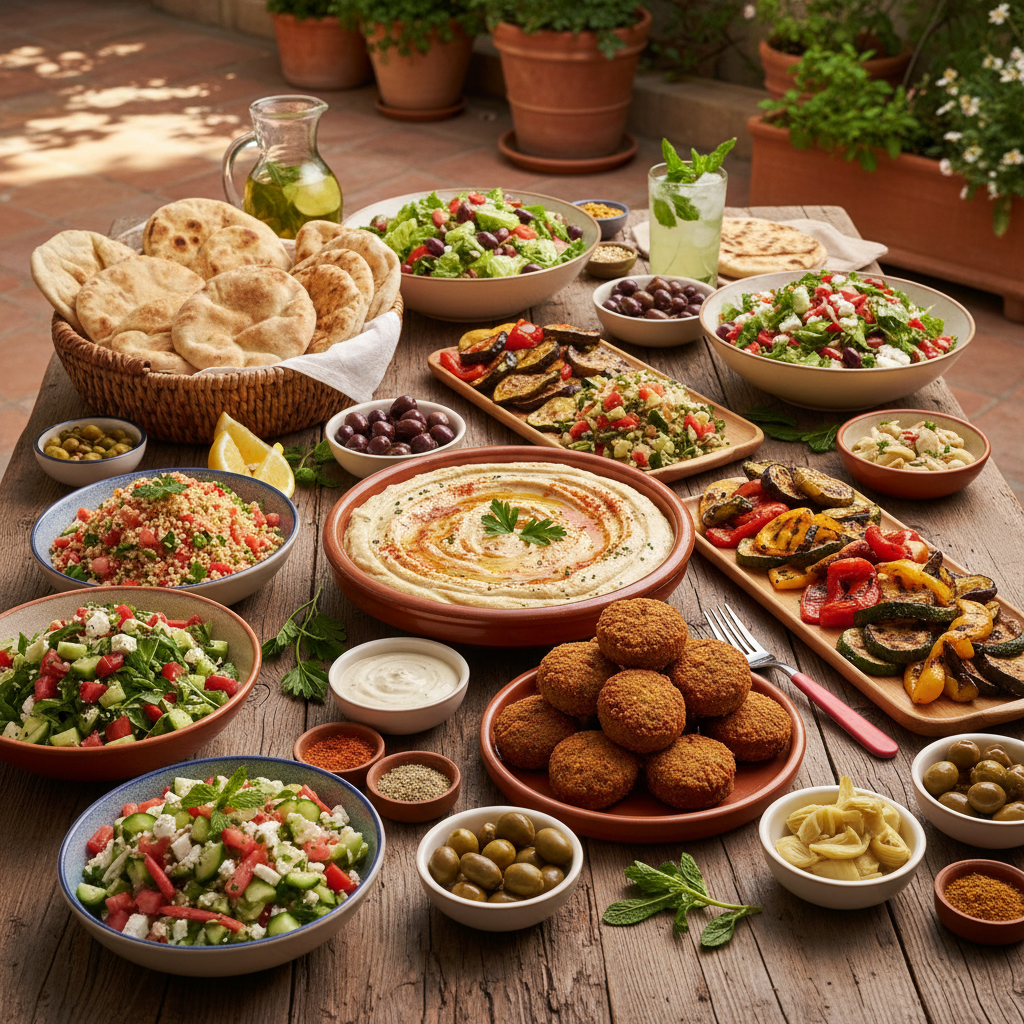
What Is Mediterranean Food?
Mediterranean food is a vibrant, flavorful collection of cuisines originating from the countries bordering the Mediterranean Sea. This culinary tradition embodies a rich tapestry of local flavors, fresh ingredients, and time-honored cooking methods. Its importance extends beyond taste, as Mediterranean cuisine is synonymous with health and longevity, underscoring why it matters in our pursuit of a well-balanced diet.
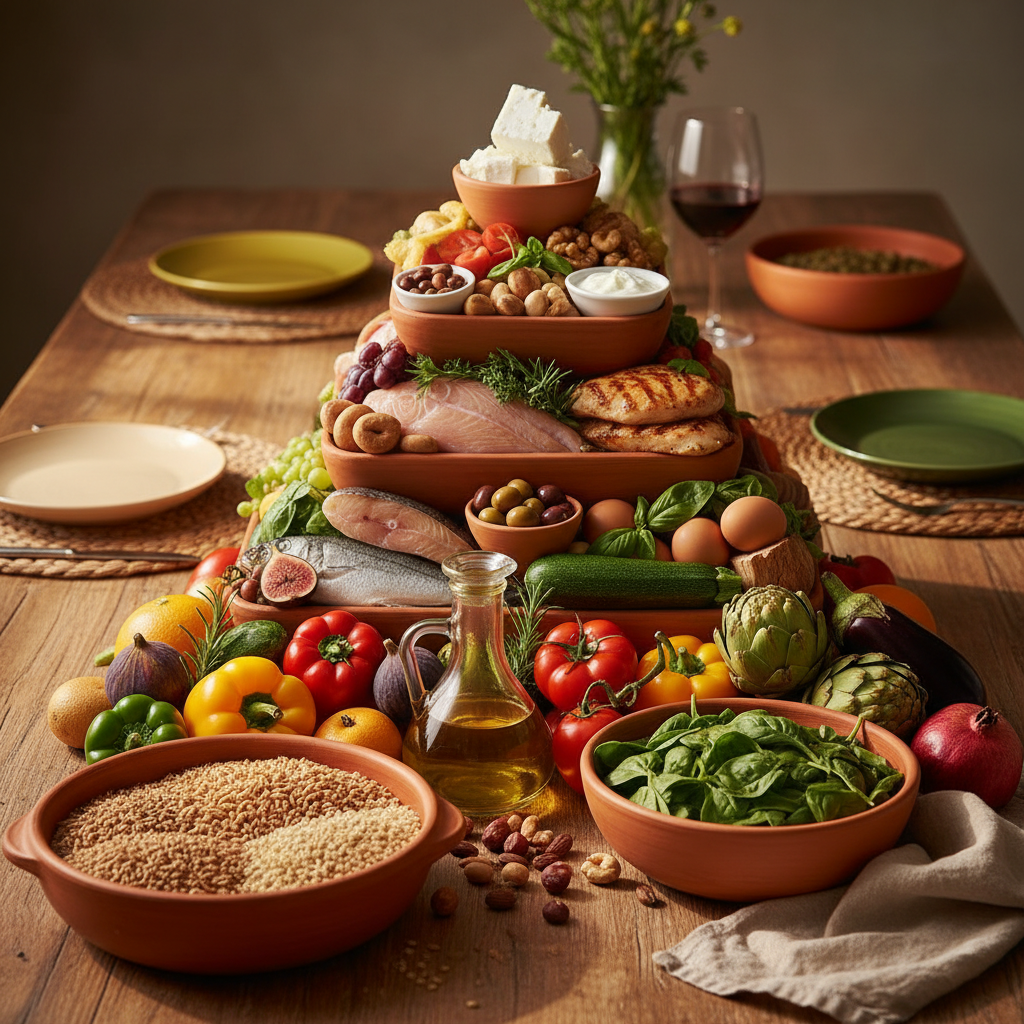
The Mediterranean diet emphasizes wholesome, nutrient-dense foods and has been widely regarded as one of the healthiest dietary patterns globally. With an abundance of fruits, vegetables, whole grains, and healthy fats, this cuisine stands as a stellar model for healthy eating.
The Geography of Mediterranean Cuisine
Mediterranean cuisine emerges from five distinct regions, each contributing unique flavors and cooking styles:
-
Southern Europe: Encompassing countries such as Italy, Greece, and Spain, this area is known for its staple ingredients like olive oil, fresh vegetables, and a variety of cheeses.
-
North Africa: Tunisia, Morocco, and Algeria feature spices like cumin and coriander, along with grains such as couscous, creating flavorful and aromatic dishes.
-
Levant: Including Lebanon, Syria, and Jordan, this region is famous for its use of herbs, grains, and legumes, often served in dishes like hummus and tabbouleh.
-
Balkans: Countries like Croatia and Serbia offer a mix of Mediterranean and Eastern European influences, with grilled meats and hearty vegetable dishes.
-
Anatolia and the Aegean Coast: Turkey and the Aegean islands have a unique blend of Middle Eastern and Mediterranean flavors, featuring ingredients such as feta cheese and eggplant.
What Makes Mediterranean Food Different
Mediterranean food is characterized by several key differences:
- Ingredient Freshness: Focus on fresh, seasonal, and local ingredients, increasing the nutritional value.
- Flavor Profile: Use of aromatic herbs and spices like oregano, basil, and paprika enhances flavors without relying heavily on salt.
- Healthy Fats: Incorporation of olive oil as a primary fat source supports heart health.
- Balanced Meals: Meals are centered around vegetables and grains, with moderate portions of meat, emphasizing balance over indulgence.
The Mediterranean Diet: Health Benefits and Science
The Mediterranean diet goes beyond mere food choices; it's a lifestyle. Key health benefits include:
- Heart Health: Reducing cholesterol levels and inflammation thanks to healthy fats in olive oil.
- Weight Management: High fiber content helps in maintaining a healthy weight.
- Longevity: Studies show that adherence to this diet is linked to lower risks of chronic diseases and increased lifespan.
Scientific evidence supports that this diet decreases the risk of heart disease, diabetes, and several cancers, proving that what you eat can profoundly affect your health.
Core Ingredients of Mediterranean Food
To embrace Mediterranean cuisine, it's essential to know the foundational ingredients:
- Olive Oil - The primary fat source, rich in monounsaturated fats.
- Garlic - Brings flavor and health benefits, including immune support.
- Tomatoes - A staple in sauces, salads, and stews.
- Feta Cheese - Common in salads and pastries, adds creaminess.
- Eggplant - Versatile vegetable used in dishes like moussaka.
- Bell Peppers - Adds sweetness and color to meals.
- Chickpeas - Base for hummus and other protein-rich dishes.
- Couscous - Great for sides and salads; a staple grain.
- Mint - Freshens dishes and is often used in salads.
- Cilantro - Popular in salsas and sauces.
- Lemon - Adds brightness and acidity to dishes.
- Zucchini - Common in Mediterranean cooking, used in ratatouille.
- Spinach - Incorporates nutrients and is often used in pies.
- Basil - A fragrant herb, crucial in Italian dishes.
- Oregano - Key herb in Mediterranean flavoring.
- Pine Nuts - Often toasted and added to salads and pesto.
- Seafood - Includes fish and shellfish, packed with omega-3 fatty acids.
- Lentils - Nutritious and a staple protein source.
- Pomegranates - Adds sweetness and antioxidants to dishes.
- Turmeric - Used in North African cuisine for flavor and health benefits.
- Cinnamon - Popular in both sweet and savory dishes, especially in Moroccan food.
- Cilantro - An herb that adds brightness to dishes.
- Yogurt - Commonly used in marinades, sauces, and snacks.
- Artichokes - Often used in dips or salads.
- Walnuts - Adds texture to salads and spreads.
Mediterranean Food by Region
Greek Mediterranean Food
Greek cuisine emphasizes the use of fresh ingredients such as olive oil, lamb, and yogurt. Signature dishes include:
- Moussaka: A layered dish made with eggplant, ground meat, and béchamel sauce.
- Souvlaki: Skewered and grilled meat served with pita.
- Spanakopita: Spinach and feta wrapped in flaky pastry.
Italian Mediterranean Food
Italian food features a wide array of flavors with meals like:
- Pasta Primavera: Pasta adorned with fresh vegetables.
- Bruschetta: Toasted bread topped with diced tomatoes and basil.
- Risotto: Creamy rice dish, often prepared with broth and seasonal vegetables.
Lebanese and Middle Eastern Mediterranean Food
Lebanese cuisine focuses on fresh herbs, spices, and vegetables, known for:
- Tabbouleh: A parsley and bulgur salad.
- Fattoush: A fresh vegetable salad with toasted bread.
- Kebabs: Grilled meat skewers that are flavorful and aromatic.
Spanish Mediterranean Food
Spanish cuisine showcases a variety of flavors, including:
- Paella: A famous rice dish made with seafood or meat.
- Gazpacho: A cold soup made from blended vegetables.
- Tapas: Small dishes, offering a taste of everything, ideal for sharing.
North African/Moroccan Mediterranean Food
Moroccan cuisine blends spices and ingredients, known for:
- Tagine: A slow-cooked stew cooked in a clay pot.
- Couscous: Steamed semolina served with meat and vegetables.
- Pastilla: A savory pie made with pigeon or chicken and spices.
Fresh Herbs in Mediterranean Food
Fresh herbs are a cornerstone in Mediterranean cuisine, enhancing flavor and offering numerous health benefits. Common herbs include basil, parsley, cilantro, and mint. For an in-depth exploration, check out our Complete Guide to Indoor Herbs.
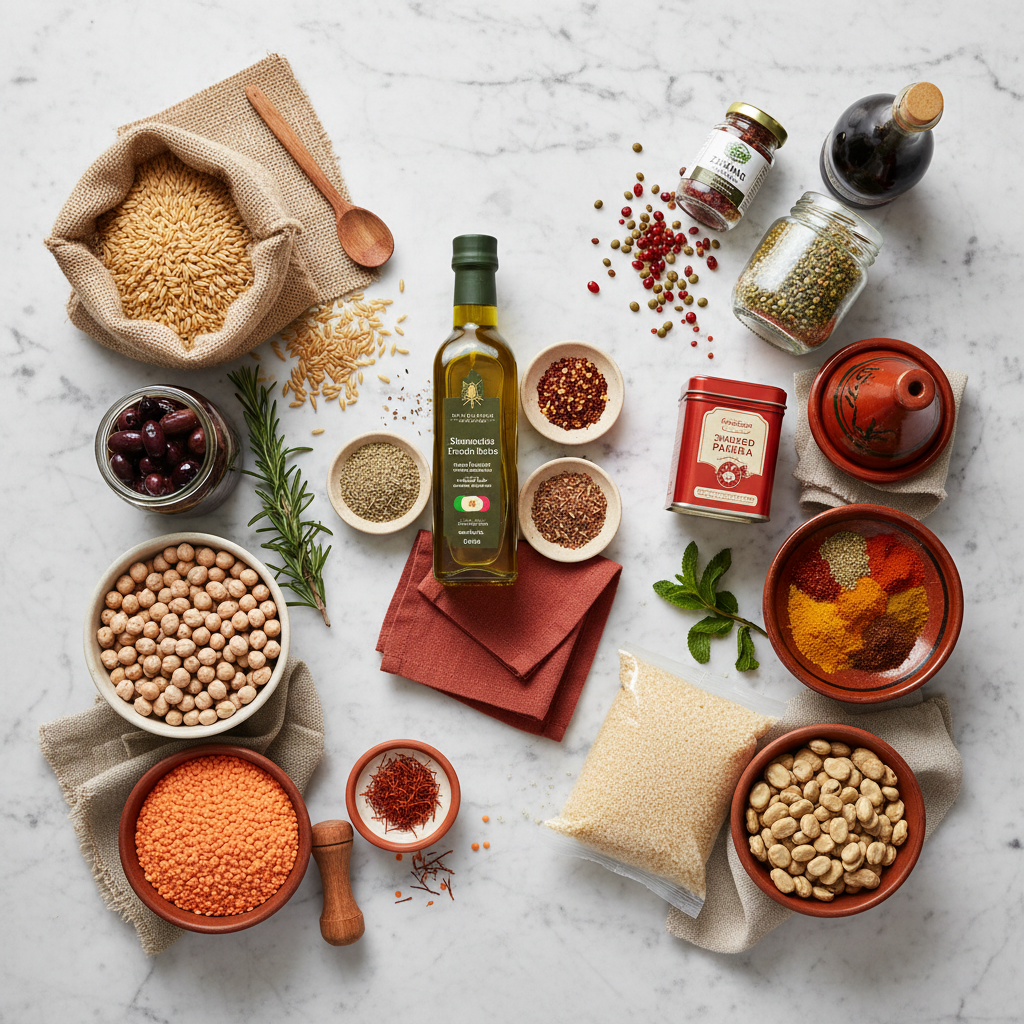
How to Stock a Mediterranean Pantry
To create authentic Mediterranean dishes, consider stocking your pantry with:
- Quality olive oil
- Canned tomatoes and legumes
- Variety of grains: Couscous, quinoa, and whole-grain pasta
- Dried herbs and spices: Oregano, cumin, coriander, and cinnamon
- Nuts and seeds: Almonds, walnuts, and sesame seeds
- Fresh produce: Always stock seasonal fruits and vegetables
FAQ
-
What is the Mediterranean diet?
The Mediterranean diet focuses on whole foods, healthy fats, and a predominance of plant-based ingredients, promoting overall health. -
Is Mediterranean food good for weight loss?
Yes, it is rich in fiber, lean proteins, and healthy fats, making it satisfying while supporting weight management. -
Can you follow a Mediterranean diet as a vegetarian?
Absolutely! The Mediterranean diet is highly adaptable and rich in plant-based foods, making it easy for vegetarians. -
What are some easy Mediterranean recipes?
Dishes like Greek salad, hummus, and vegetable stir-fry are simple and quick to prepare. -
How does the Mediterranean diet affect heart health?
It is linked to lower rates of heart disease due to its emphasis on healthy fats and low saturated fats. -
Is olive oil the only fat used in Mediterranean cooking?
While olive oil is predominant, other healthy fats like nuts and avocados are also used.
Conclusion
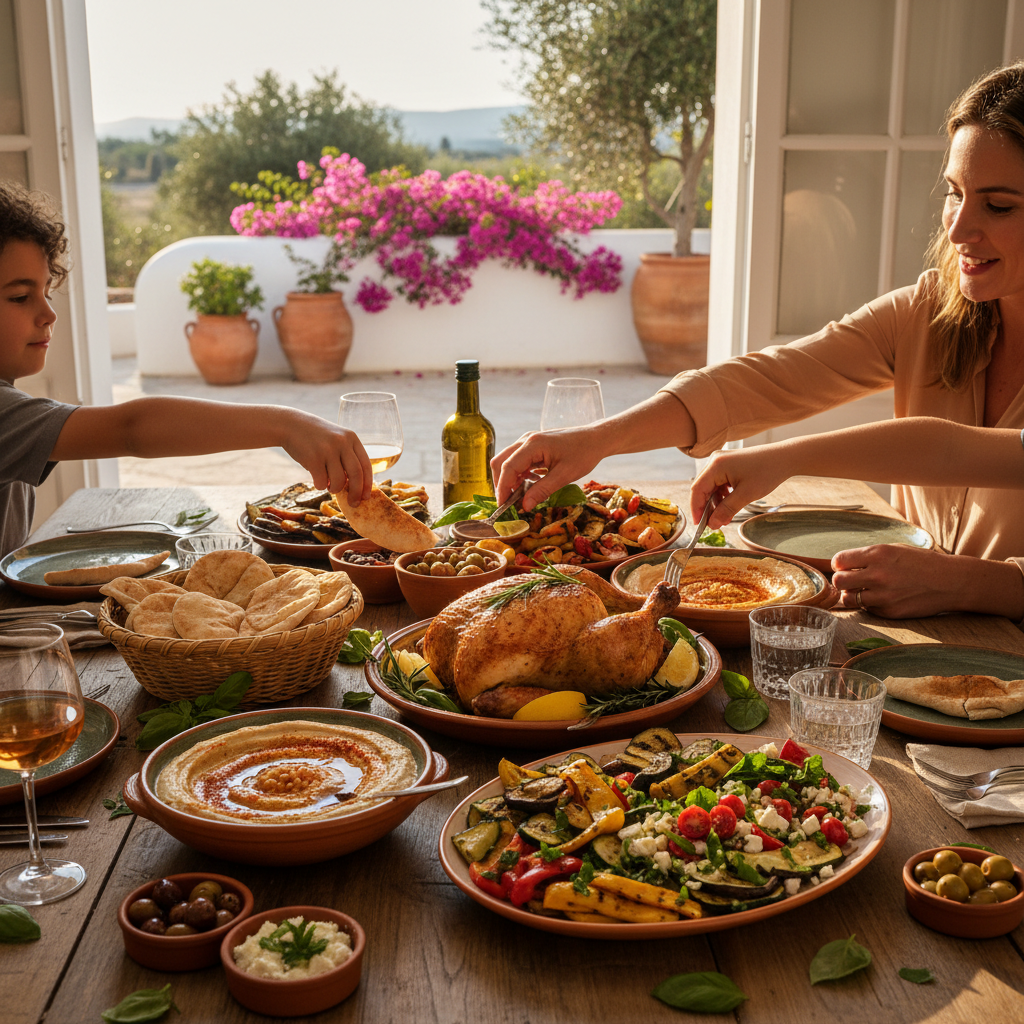
Mediterranean food is more than just a dietary choice; it is a lifestyle rooted in fresh, wholesome ingredients and rich traditions. Its diverse regional cuisines offer an array of delicious dishes that not only tantalize the palate but also nourish the body. Whether you're looking to enhance your health or simply enjoy flavorful meals, Mediterranean cuisine provides a perfect balance of both.
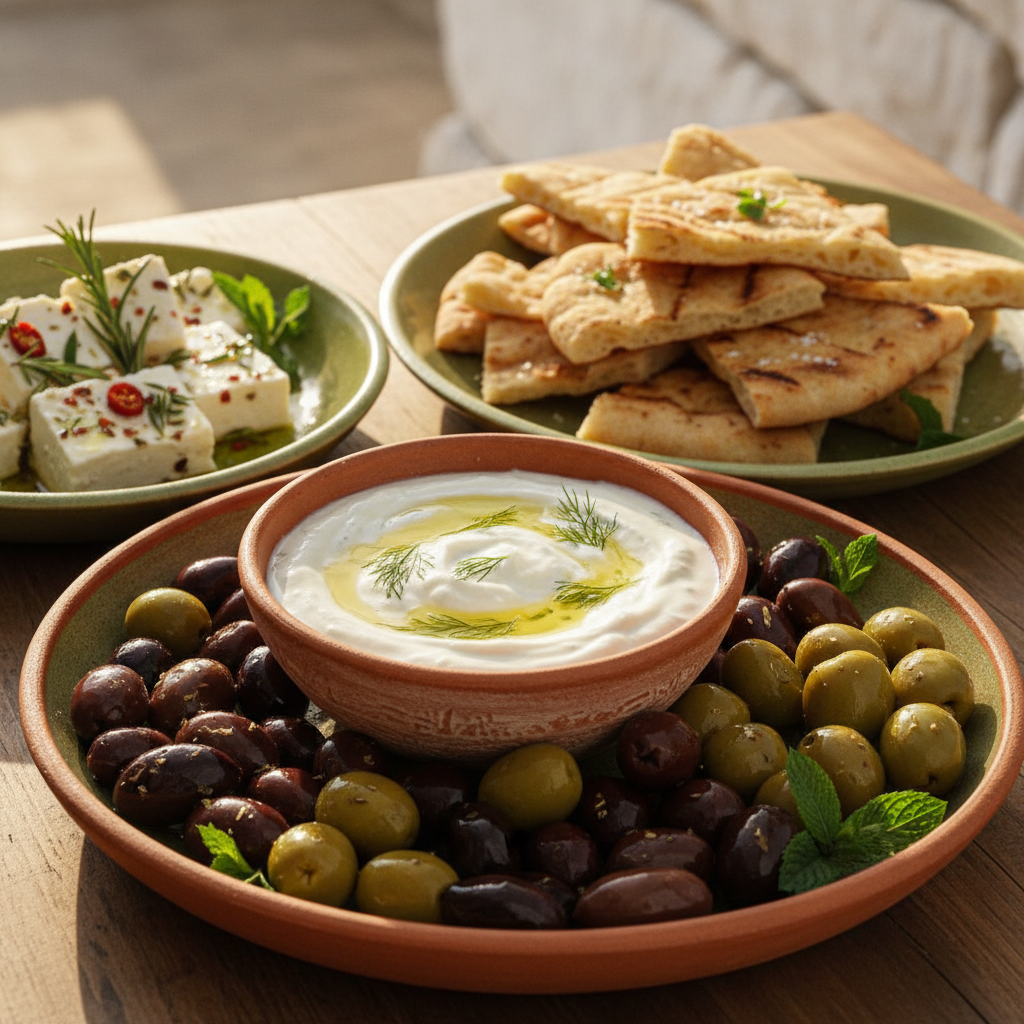
Editor's Essentials
Extra Virgin Olive Oil
Premium quality olive oil, perfect for cooking and dressings.
Prices may vary.
Mediterranean Spice Mix
A blend of spices typically used in Mediterranean dishes.
Check for the best price.
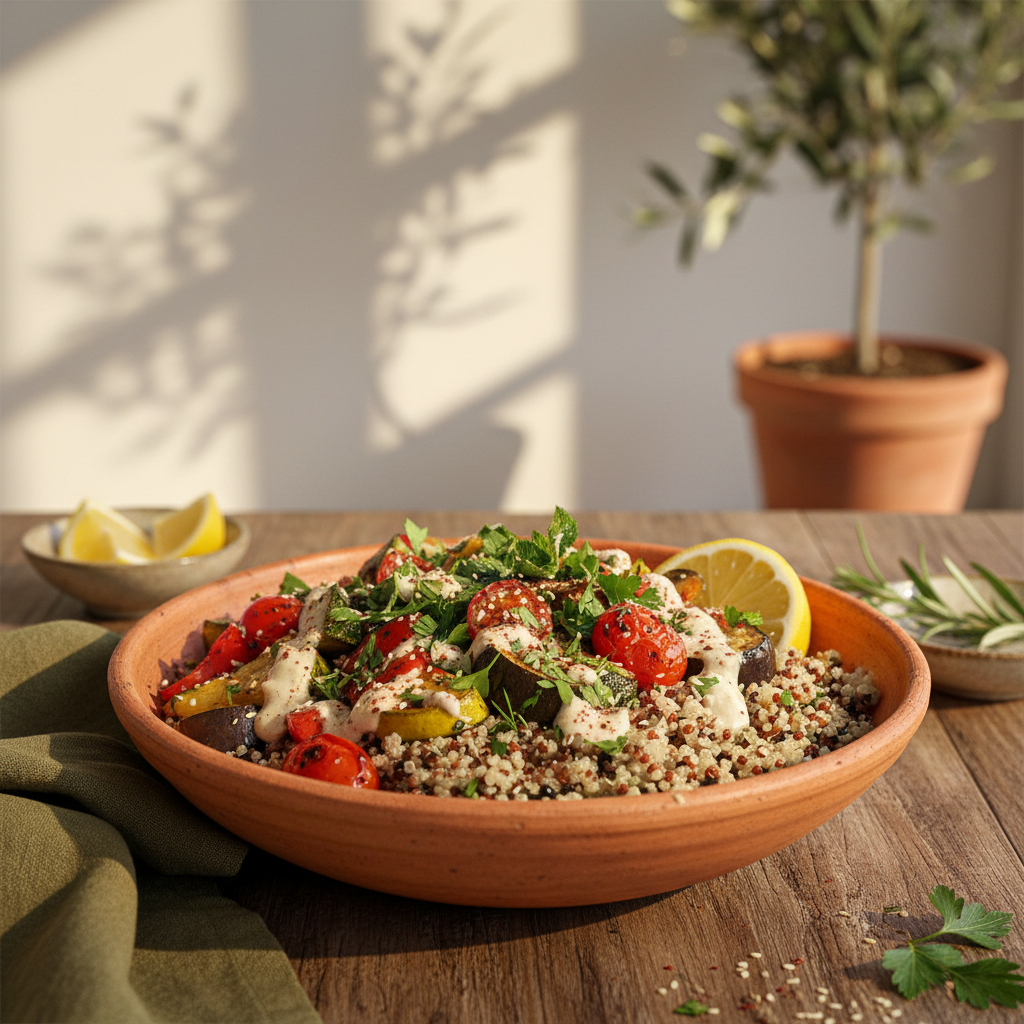
Organic Quinoa
High-quality organic quinoa to complement your Mediterranean meals.
Available in various sizes.
As an Amazon Associate, we earn from qualifying purchases.
Frequently Asked Questions
Related Articles
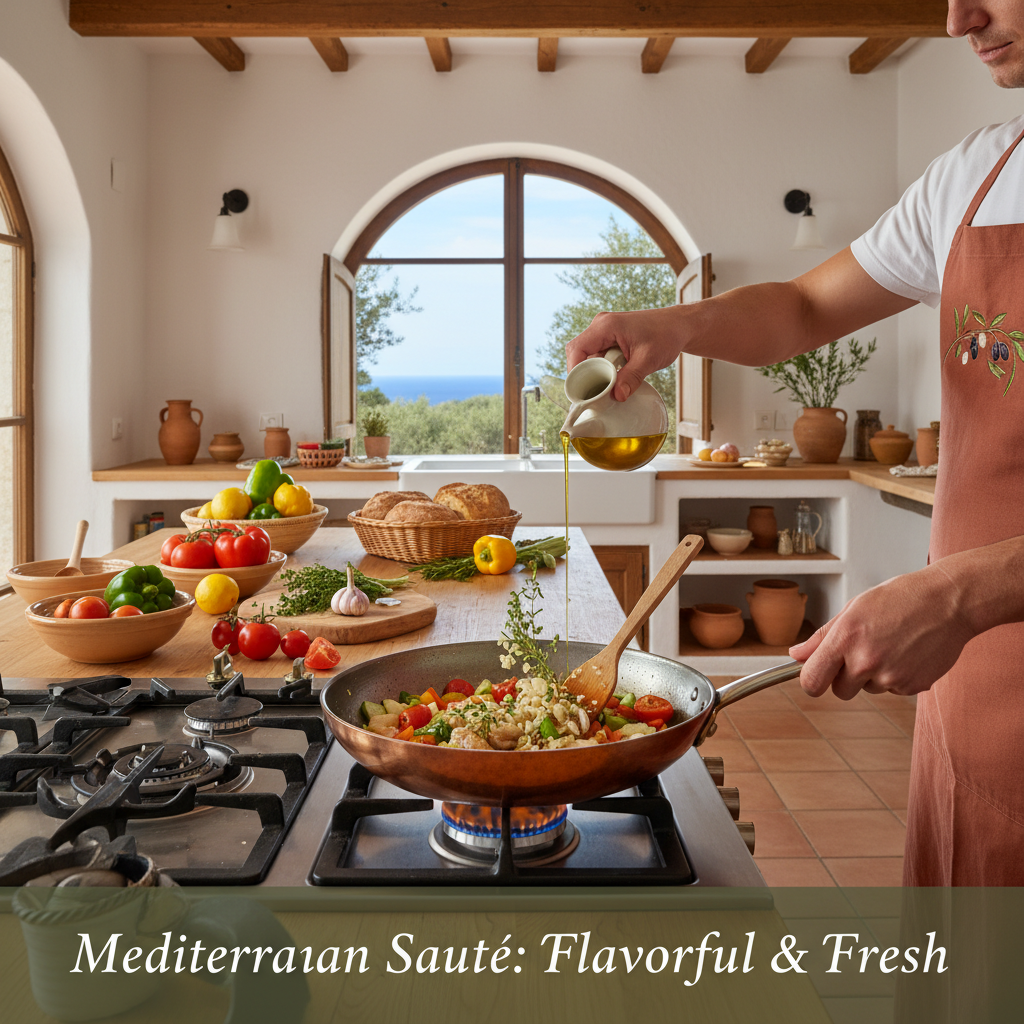
How to Cook Mediterranean Food at Home: Techniques, Pantry Essentials & Herb Secrets
Master Mediterranean cooking with techniques, essential pantry items, and herb secrets to create delicious dishes at home.
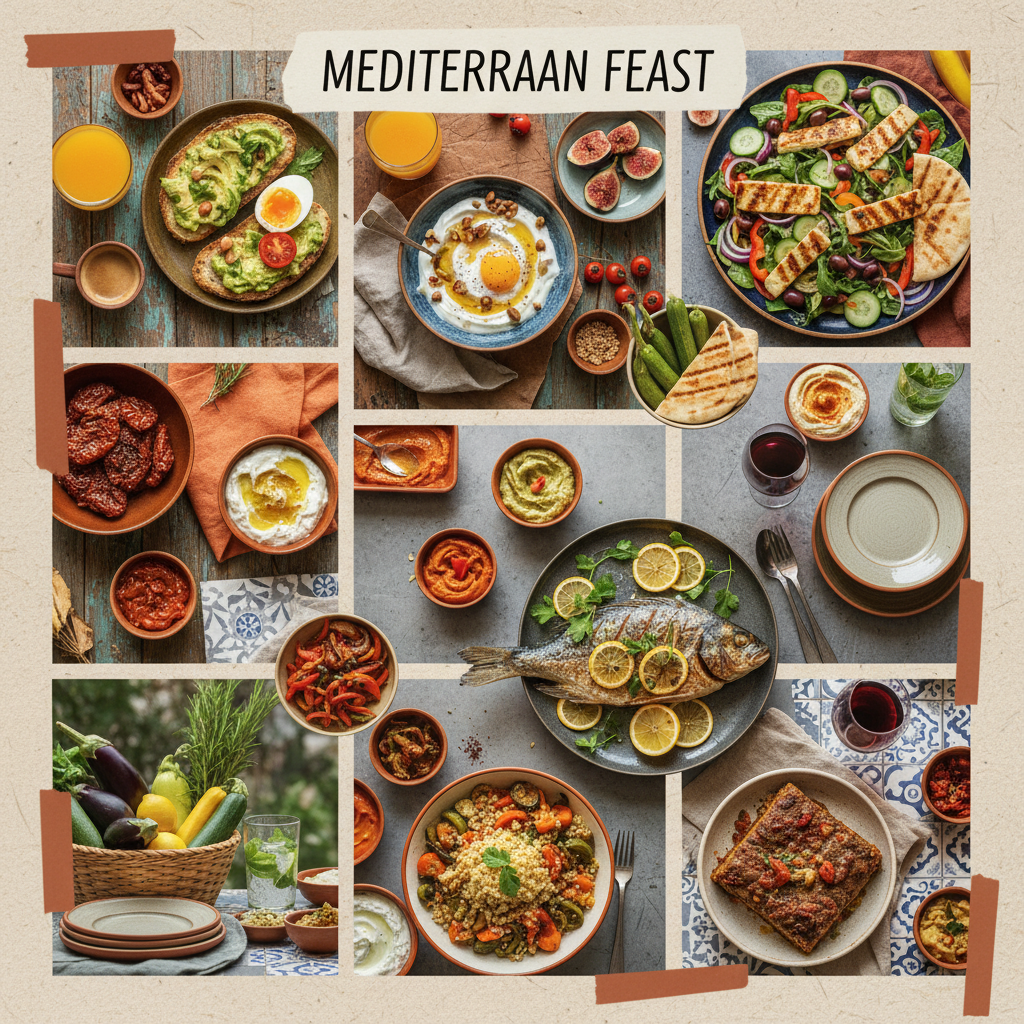
50 Mediterranean Recipe Ideas to Try This Week
Explore 50 diverse Mediterranean recipe ideas for every meal, organized by herb and occasion. Energize your menu this week!
15 Quick Mediterranean Recipes Ready in 30 Minutes or Less
Discover 15 amazing Mediterranean recipes that can be made in 30 minutes or less. Perfect for busy weeknights!