How to Cook Mediterranean Food at Home: Techniques, Pantry Essentials & Herb Secrets
Master Mediterranean cooking with techniques, essential pantry items, and herb secrets to create delicious dishes at home.
How to Cook Mediterranean Food at Home: Techniques, Pantry Essentials & Herb Secrets
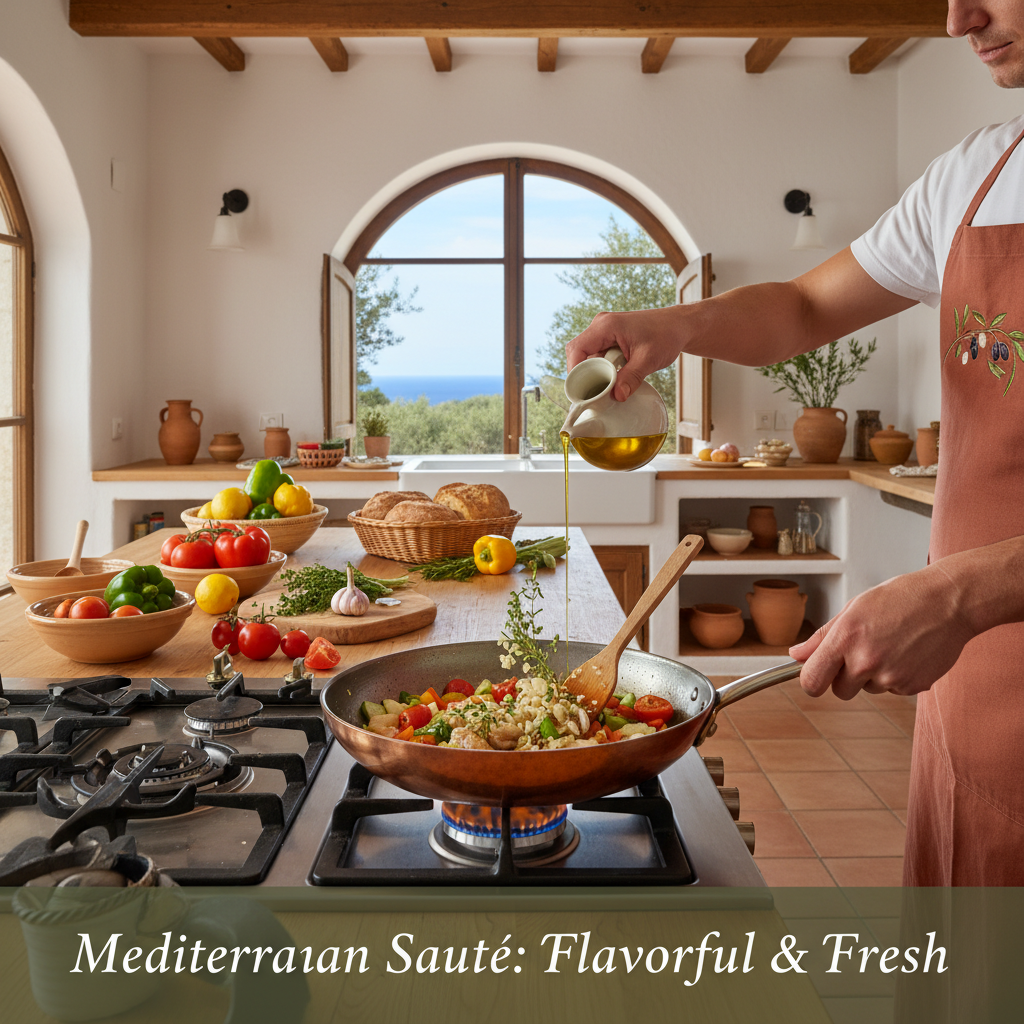
Learning "how to cook Mediterranean" food is easier than most people think. The Mediterranean cuisine, celebrated for its health benefits and flavor, draws from a rich history of ingredients and methods that make the most of simple, fresh foods. With the right techniques and a well-stocked pantry, you can create a variety of dishes that embody the essence of this vibrant culinary tradition. In this guide, we’ll explore how to cook Mediterranean dishes at home, from building flavor to mastering essential recipes.
Building Flavor the Mediterranean Way
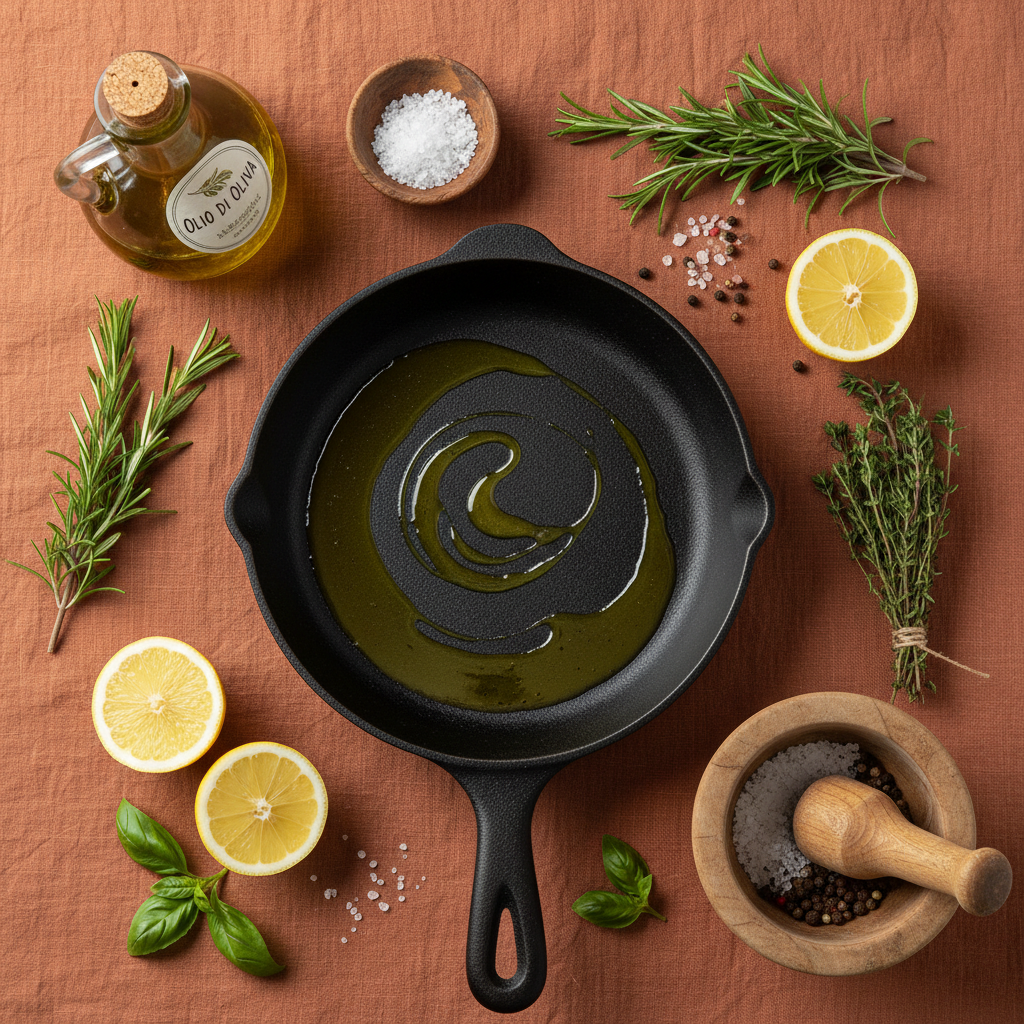
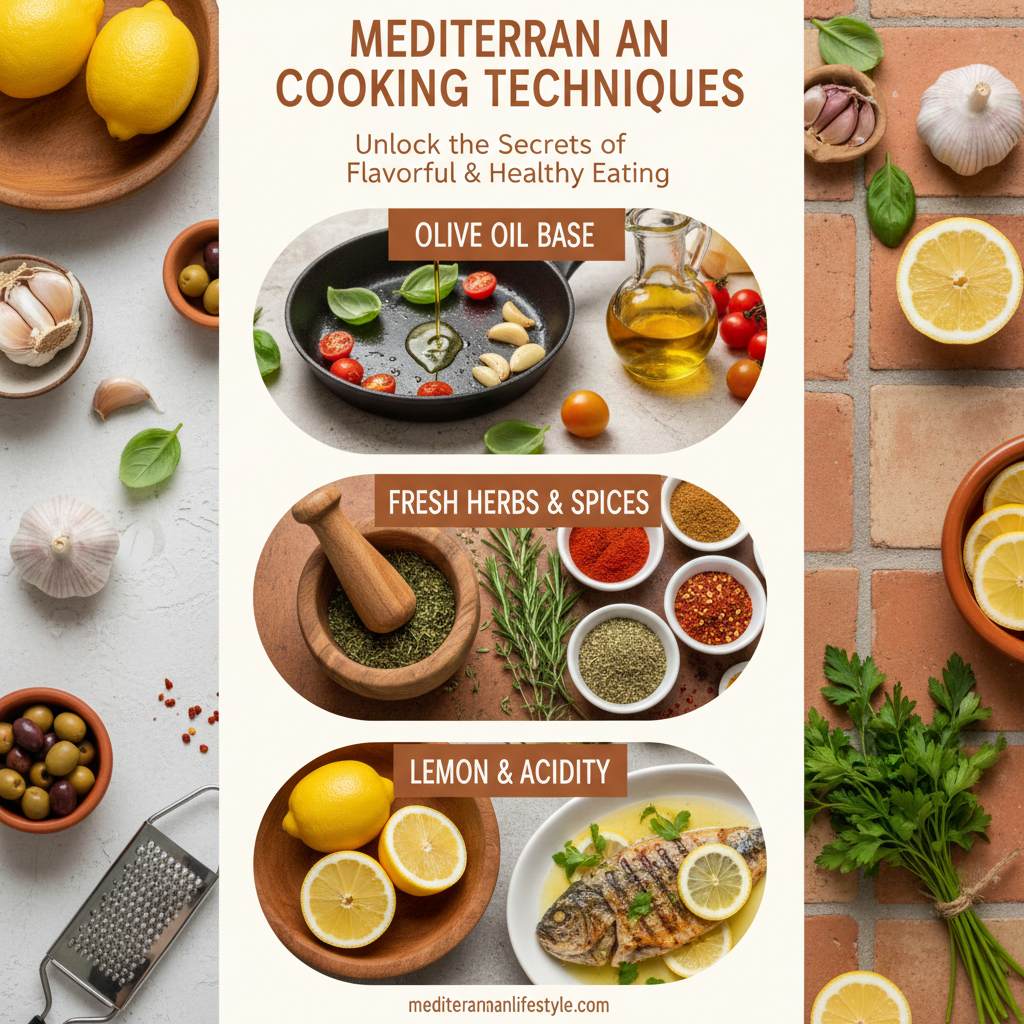
Olive Oil Base
At the heart of Mediterranean cooking lies the use of high-quality olive oil. It isn't just a cooking medium; it's a vital flavor component of most dishes. When cooking Mediterranean food:
- Use Extra Virgin Olive Oil (EVOO): This is the finest quality olive oil with a robust flavor. It's ideal for drizzling on salads, finishing dishes, or simply dipping fresh bread.
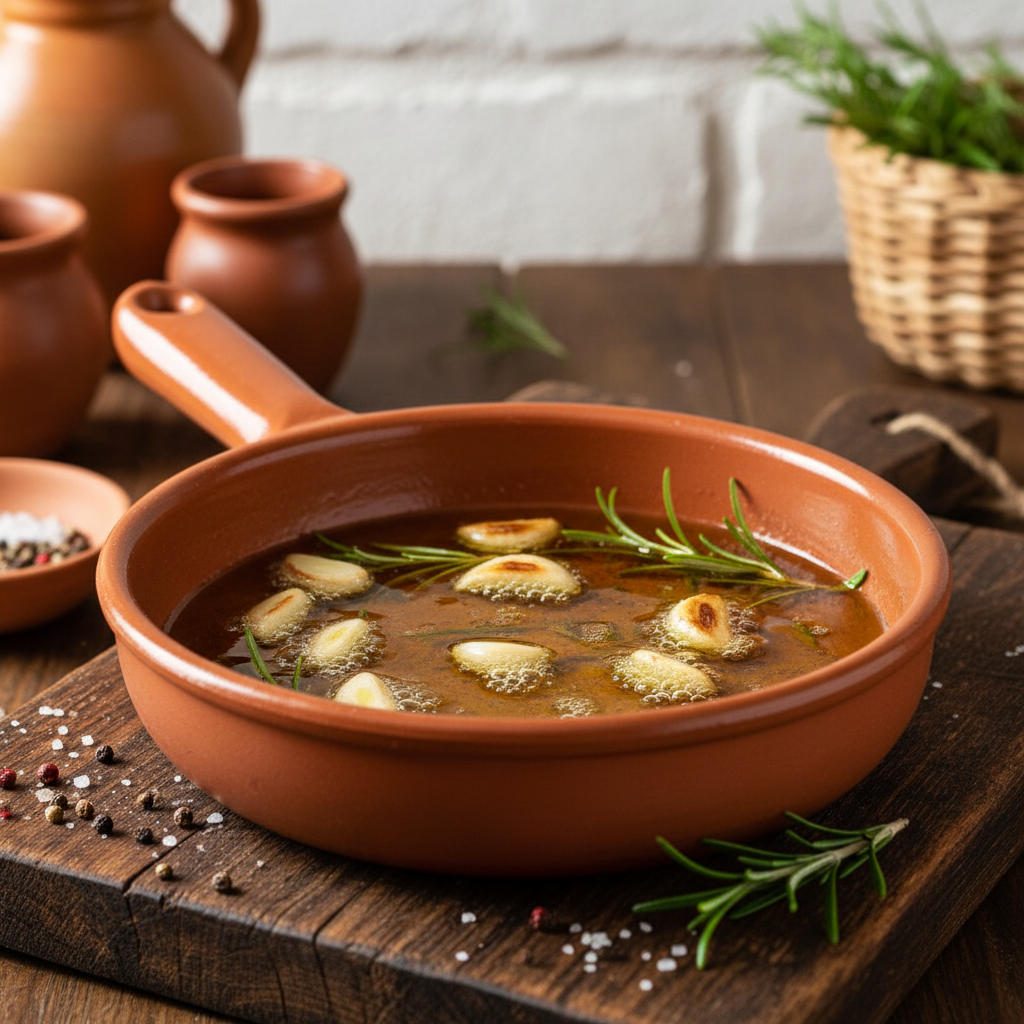
- Flavor Boost: Add garlic, lemon zest, or fresh herbs to your olive oil to enhance its flavor before using it in dishes.
Emphasizing Ingredients
Mediterranean cuisine celebrates the natural flavors of ingredients. Always opt for fresh, seasonal produce whenever possible. Your ingredients should not only be of high quality but also thoughtfully combined to allow each component's flavor to shine through.
The Layered Herb System
Dried Herbs Early, Fresh at the End
Herbs are fundamental to Mediterranean cooking. Utilizing them effectively is key:
- Dried Herbs: These are typically added early in the cooking process to release their flavors. Common dried herbs include oregano, thyme, and rosemary.
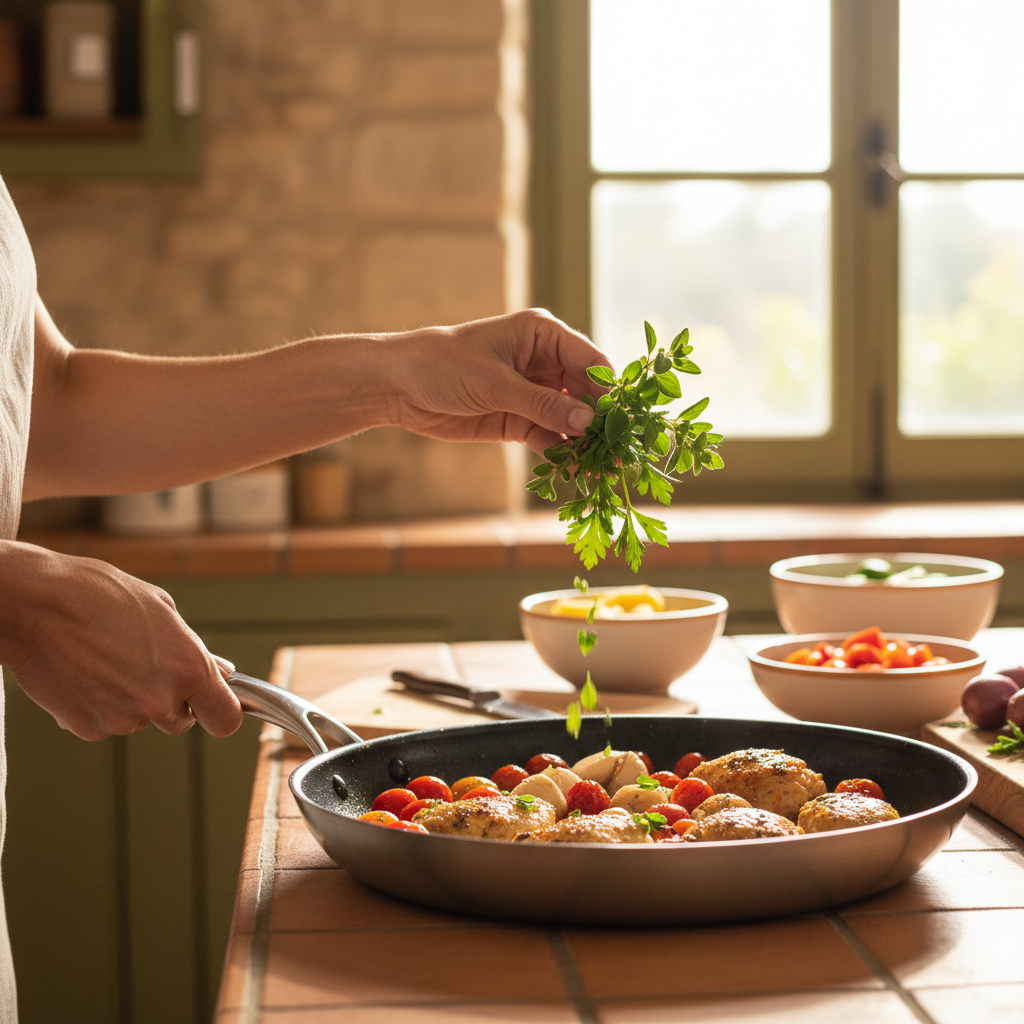
- Fresh Herbs: Added at the end of cooking (or just before serving), fresh herbs like parsley, basil, or mint will provide a bright, fresh flavor that complements the dish.
Balancing Herbs
Striking the right balance of dried and fresh herbs can elevate your cooking. Don’t be afraid to experiment with combinations that suit your palate while sticking to traditional pairings.
Essential Mediterranean Cooking Techniques
To truly embrace Mediterranean cooking, mastering specific techniques will serve you well:
Roasting and Caramelizing
Roasting vegetables and meats brings out their natural sweetness and flavor.
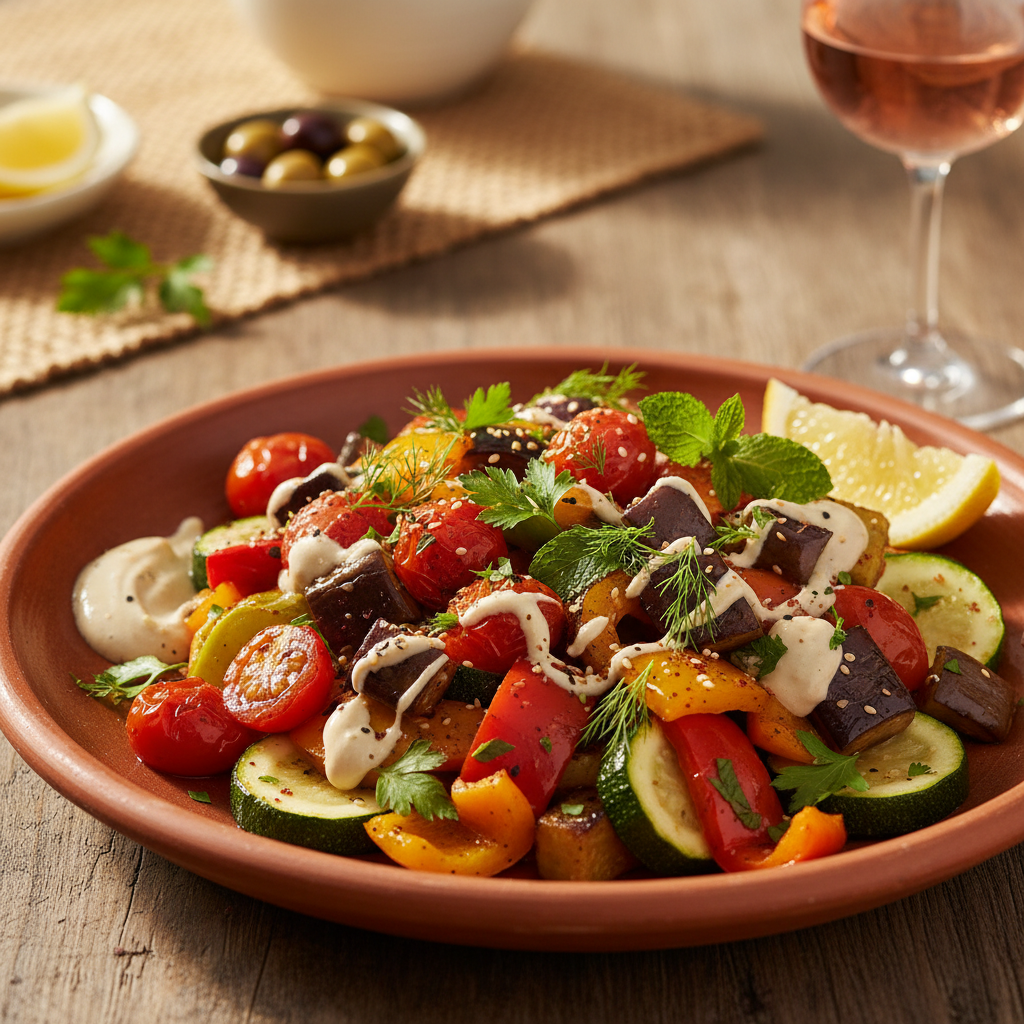
- Tips for Roasting: Use a mix of vegetables like bell peppers, zucchini, and eggplant tossed in olive oil and sea salt. Roast at high temperatures (around 425°F or 220°C) until they are golden brown and tender.
Making Sauces and Dressings from Scratch
Sauces are essential in Mediterranean cooking, enhancing flavors and adding depth.
- Basic Emulsification: Whisk together olive oil, vinegar, or citrus juice, and seasonings for dressings that can be used over salads, grilled meats, or vegetables.
- Make Tomato Sauce: Sauté onions and garlic, add crushed tomatoes, and season with herbs for a simple yet flavorful sauce suitable for pasta or pizza.
Cooking Legumes Properly
Legumes are staples in many Mediterranean diets:
- Preparation: Soak dried beans overnight before cooking; this will reduce cooking time and improve texture.
- Flavor Addition: Cook legumes with aromatics like garlic, onion, and bay leaves for extra depth.
Acid Balancing with Lemon and Vinegar
Acidity brightens flavors:
- Use fresh lemon juice or vinegar to cut through richness in dishes, balancing flavors and enhancing the overall taste.
The Cold Finish with Fresh Olive Oil
Adding a drizzle of olive oil at the end of cooking can make a remarkable difference. It adds richness and enhances the dish's aromatic profile, acting as a final flourish that captures the essence of the Mediterranean.
Your Mediterranean Pantry
A well-stocked Mediterranean pantry is crucial for easy and prompt meal preparation. Below is a must-have ingredients list:
- Olive oil (Extra Virgin)
- Balsamic and red wine vinegar
- Salt and pepper
- Canned tomatoes and tomato paste
- Dried herbs (oregano, thyme, rosemary)
- Garlic and onions
- Lentils and chickpeas (canned or dried)
- Rice (especially basmati or Arborio)
- Nuts (like almonds and pine nuts)
- Fresh vegetables (bell peppers, zucchini, eggplant, tomatoes)
- Citrus fruits (lemons and oranges)
- Cheese (like feta and Parmesan)
- Fresh herbs (as needed)
By keeping these essentials on hand, you can whip up a Mediterranean dish anytime inspiration strikes.
The Secret Role of Fresh Herbs
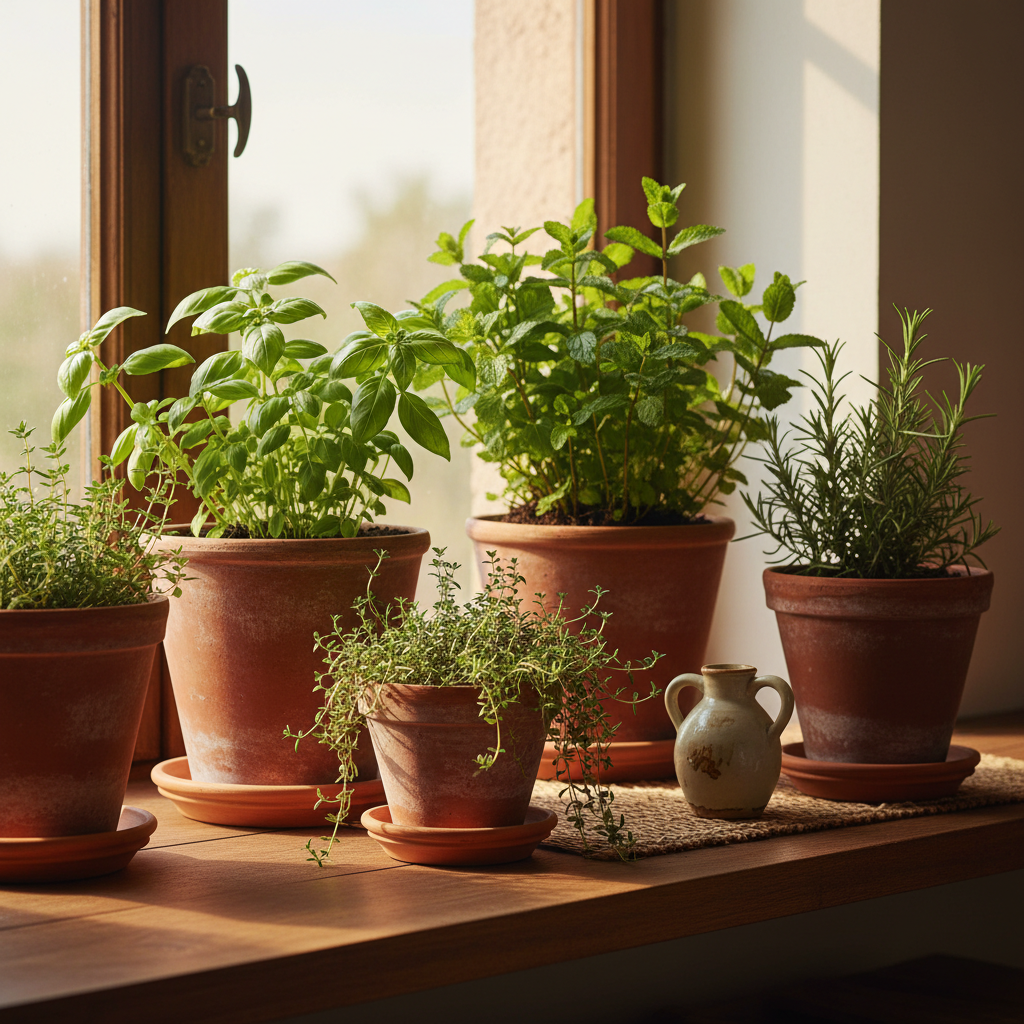
Fresh herbs play a central role in Mediterranean cuisine, enhancing flavor, aroma, and visual appeal. For a deeper dive into using and growing fresh herbs, check out our articles on indoor herbs and how to grow indoor herbs.
5 Core Mediterranean Recipes to Master First
Getting started with some foundational recipes will build your confidence:
- Mediterranean Chickpea Salad: Combine canned chickpeas, diced cucumber, tomatoes, red onion, parsley, and a lemon-olive oil dressing.
- Roasted Vegetable Medley: Toss seasonal vegetables with olive oil, salt, and your choice of herbs; roast at high heat until tender.
- Basic Hummus: Blend chickpeas, tahini, garlic, lemon juice, and olive oil until smooth. Serve with pita or as a dip.
- Lemon-Garlic Grilled Chicken: Marinate chicken in lemon juice, minced garlic, and herbs before grilling.
- Simple Tomato Basil Pasta: Cook pasta to al dente; toss with olive oil, fresh tomatoes, garlic, and basil for a quick meal.
Common Mediterranean Cooking Mistakes
Cooking Mediterranean food can be simple, but there are a few common pitfalls to avoid:
- Overcooking Vegetables: They should be tender but still vibrant. Quick roasting or sautéing preserves their color and nutrients.
- Neglecting Seasoning: Don't be shy with herbs and spices; they are crucial for depth of flavor.
- Using Low-Quality Olive Oil: The oil is a key ingredient; high-quality oil significantly impacts taste.
- Underestimating Fresh Herbs: Always finish a dish with a sprinkle of fresh herbs for enhanced flavor and presentation.
Plating Mediterranean Style
Presentation is essential in Mediterranean cooking, reflecting the joy of sharing food. Here’s how to plate:
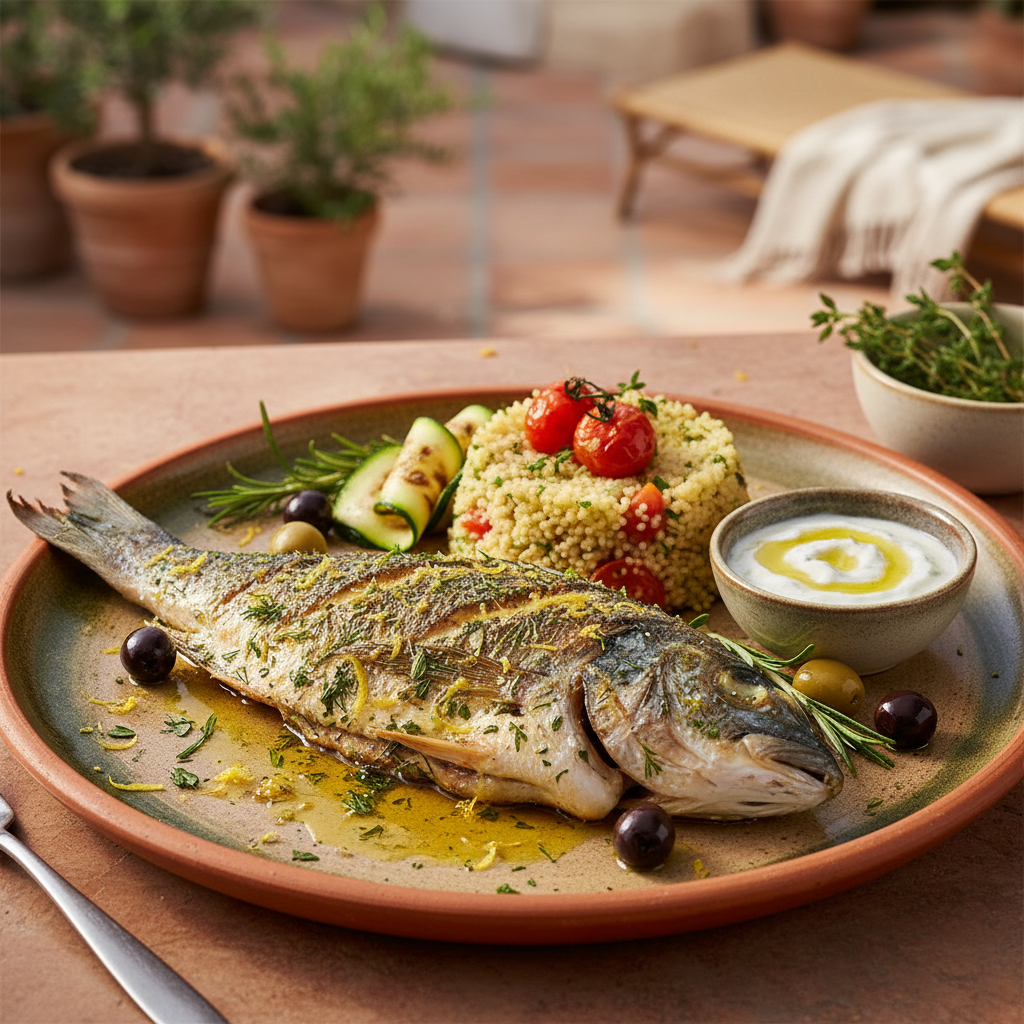
- Use Color: Aim for vibrant colors on the plate. Contrast cooked ingredients with fresh herbs, raw vegetables, or drizzles of olive oil.
- Layering: Arrange food in layers, rather than mixed together, for a more inviting presentation. For instance, a base of grains topped with roasted vegetables and garnished with herbs.
- Garnishes: Add a sprig of fresh herb or a sprinkle of cheese for a touch of elegance.
FAQ
-
What is the primary cooking fat used in Mediterranean cuisine?
Olive oil is the primary cooking fat, known for its health benefits and flavor contributions. -
What are some common Mediterranean herbs?
Common herbs include oregano, basil, thyme, parsley, and mint. -
Can I substitute olive oil for other oils in Mediterranean recipes?
While you can substitute in some cases, the taste will differ. Olive oil is central to Mediterranean flavors. -
Are Mediterranean dishes time-consuming to prepare?
Many Mediterranean dishes are quick to prepare, especially with the right pantry staples on hand. -
What role do lemons play in Mediterranean cooking?
Lemons add acidity, enhancing flavor depth and freshness in dishes. -
How do I store fresh herbs?
Fresh herbs can be stored in the refrigerator, wrapped in damp paper towel or placed in a glass of water and covered with a plastic bag.
Conclusion
Cooking Mediterranean food at home can be both accessible and rewarding. By mastering basic techniques, stocking your pantry with essential ingredients, and learning how to beautifully incorporate fresh herbs, you'll soon find yourself creating delightful dishes that bring the Mediterranean coast to your kitchen. Embrace the flavors, enjoy the process, and share your culinary journey with friends and family. Happy cooking!
Editor's Essentials
Extra Virgin Olive Oil
High-quality olive oil essential for Mediterranean cooking.
Prices vary based on brand and size.
Herb Garden Starter Kit
Grow your own Mediterranean herbs at home for fresh flavors.
Available starting at $30.
As an Amazon Associate, we earn from qualifying purchases.
Frequently Asked Questions
Related Articles
What Is Mediterranean Food? A Complete Guide to the World's Healthiest Cuisine
Discover Mediterranean food, its regions, health benefits, and core ingredients in this comprehensive guide to the world's healthiest cuisine.
15 Quick Mediterranean Recipes Ready in 30 Minutes or Less
Discover 15 amazing Mediterranean recipes that can be made in 30 minutes or less. Perfect for busy weeknights!
Indoor Herbs 101: The Complete Guide to Growing a Thriving Kitchen Herb Garden
Transform your home cooking with indoor herbs! Discover the best herbs to grow, tips for care, and how to maintain your kitchen herb garden.