Indoor Herbs 101: The Complete Guide to Growing a Thriving Kitchen Herb Garden
Transform your home cooking with indoor herbs! Discover the best herbs to grow, tips for care, and how to maintain your kitchen herb garden.
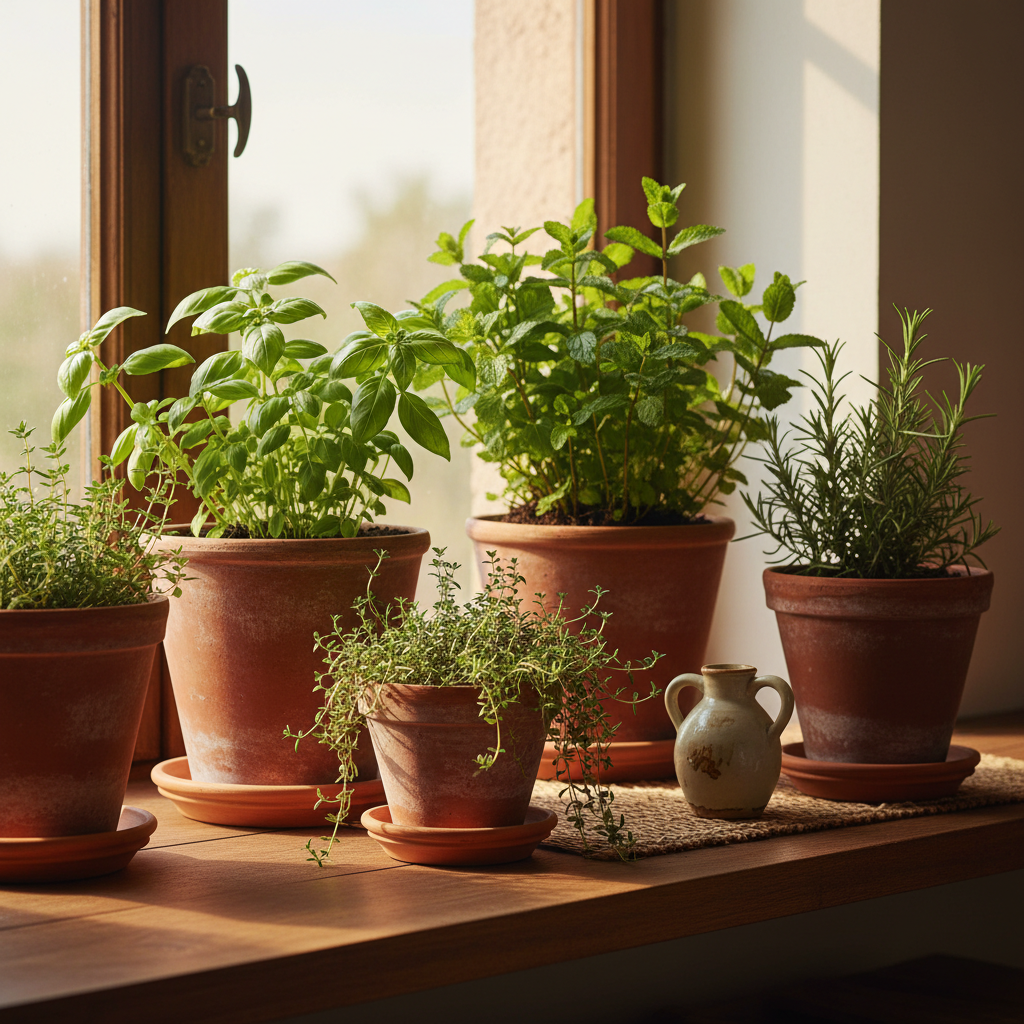
Indoor Herbs 101: The Complete Guide to Growing a Thriving Kitchen Herb Garden
Cooking at home is a delightful experience, especially when you can season your dishes with fresh herbs straight from your own kitchen. Indoor herbs can transform any meal, enhancing flavors, providing freshness, and adding a fragrant touch to your culinary creations. Whether you’re whipping up a comforting soup, a zesty salad, or an exquisite main course, having a selection of herbs at your fingertips can elevate your cooking game and inspire you to experiment with new recipes.
In this complete guide, we'll explore everything you need to know to cultivate a flourishing indoor herb garden right in your kitchen. From selecting the best varieties to understanding their care requirements, we’ve got you covered!
Why Every Home Cook Needs Indoor Herbs
Having a selection of indoor herbs can make a world of difference in your kitchen. Here are several reasons why every home cook should consider growing their own:
- Freshness at Your Fingertips: There’s nothing quite like the aroma of freshly picked herbs. They offer a fresh burst of flavor that dried herbs simply can’t match.
- Health Benefits: Herbs like basil and cilantro are packed with vitamins, antioxidants, and other nutrients that can contribute to a healthier diet.
- Saves Money: Growing herbs indoors can be cost-effective over time–no more buying expensive, pre-packaged herbs that wilt before you can use them.
- Year-Round Availability: Unlike seasonal herbs at the market, an indoor herb garden allows you to enjoy fresh herbs all year round.
- A Great Hobby: Gardening can be therapeutic, offering a rewarding hobby that allows you to connect with nature.
The 12 Best Indoor Herbs for Your Kitchen
Here’s a curated list of the best indoor herbs to grow, complete with essential growing notes for each:
-
Basil
- Notes: Prefers warm temperatures (65-85°F) and direct sunlight. Regular pruning encourages bushier growth.
-
Mint
- Notes: Thrives in moist conditions with bright, indirect light. Keep it contained as it can spread quickly.
-
Parsley
- Notes: Grows well in various conditions; regular harvesting promotes new growth. Requires around 6 hours of indirect sunlight.
-
Cilantro
- Notes: Prefers cooler temperatures (65-75°F). Harvest leaves frequently to avoid bolting.
-
Chives
- Notes: A resilient herb, chives prefer well-draining soil and at least 6 hours of light daily.
-
Oregano
- Notes: Highly aromatic, it thrives in dry conditions. Water less frequently to prevent rot.
-
Thyme
- Notes: Likes full sunlight and well-draining soil. Harvest regularly to encourage growth.
-
Rosemary
- Notes: Prefers sandy soil and full sun exposure. Allow the soil to dry out between watering.
-
Dill
- Notes: Needs 6-8 hours of sunlight. It's best suited for tall pots as it can grow quite tall.
-
Sage
- Notes: Enjoys dry soil and sunny spots. Too much moisture can lead to root rot.
-
Lemon Balm
- Notes: Needs moderate light and moist soil. Perfect for teas and to add lemony flavor to dishes.
-
Lavender
- Notes: Thrives in bright light and well-drained soil. Prune regularly for bushier growth and to promote flowering.
Choosing the Right Containers for Indoor Herbs
When selecting containers for your indoor herb garden, consider the following factors:
- Size: Choose pots that are large enough to accommodate the root system of the herb without causing overcrowding.
- Material: Terracotta pots are great for moisture control, while plastic pots can be lightweight and easier to handle.
- Drainage: Ensure pots have drainage holes to prevent water accumulation, which can lead to root rot.
- Style: Opt for containers that fit your kitchen aesthetic; decorative pots can enhance your kitchen decor while holding your herbs.
Soil, Drainage, and Potting Mix for Indoor Herbs
The right potting mix is essential for thriving indoor herbs. Here are some tips to consider:
- Soil Type: Use a well-draining potting mix that retains moisture but is not overly heavy. A mix made for herbs or vegetables often works well.
- Adding Drainage: Incorporate perlite or coarse sand into your soil mix to improve drainage and aeration.
- Layering: Create a drainage layer at the bottom of your pots using small rocks or gravel before adding soil to enhance drainage capacity.
Light Requirements (Natural vs Grow Lights)
Light is a critical component for growing indoor herbs successfully:
- Natural Light: Most herbs require 6-8 hours of sunlight per day. A south-facing window is ideal. If natural sunlight is limited, rotate your pots to ensure even exposure.
- Grow Lights: If natural light isn’t sufficient, consider using grow lights. Choose full-spectrum LED grow lights that mimic natural sunlight; they can be positioned above your herbs for optimal growth.
Watering Indoor Herbs Correctly
Proper watering is pivotal for your herb’s health:
- Frequency: Water when the top inch of soil feels dry. Herbs prefer to be on the drier side than overly wet.
- Method: Water at the base of the plant to prevent mildew and keep foliage dry.
- Observation: Watch for signs of under-watering (droopy leaves) or over-watering (yellowing leaves) and adjust accordingly.
Fertilizing and Seasonal Care
Your herbs will benefit from occasional fertilization and seasonal adjustments:
- Fertilizing: Use a balanced, water-soluble fertilizer every 4-6 weeks during the growing season (spring and summer). Reduce feeding in the winter when growth slows down.
- Seasonal Care: In the colder months, consider moving your herbs indoors if they were outside in warmer seasons. Monitor them for any pest issues as indoor environments can harbor pests.
Harvesting for Maximum Yield
The way you harvest herbs can affect their growth:
- Timing: Start harvesting once plants are mature but before flowering. This ensures the best flavor and encourages new growth.
- Techniques: Use clean, sharp scissors to snip leaves, taking care to leave enough foliage for the plant to continue growing.
- Storage: Keep harvested herbs in a cup of water in the fridge, or dry them for future use.
Common Mistakes to Avoid
Even seasoned gardeners can face challenges. Here are common pitfalls to sidestep:
- Overwatering: One of the biggest mistakes is overwatering, which leads to root rot. Always check moisture levels before watering.
- Poor Lighting: Neglecting your herbs' light needs can hinder growth. Ensure you're providing sufficient light.
- Crowded Pots: Planting too many seeds or seedlings in one pot can stunt growth due to competition for nutrients.
- Ignoring Pests: Watch for aphids and spider mites; they can quickly damage your plants. Remove any pests as soon as spotted.
FAQ
-
Can I grow indoor herbs without sunlight?
Yes, you can use grow lights to supplement light for indoor herbs. -
How often should I water indoor herbs?
Water when the top inch of soil is dry, which may vary based on the herb. -
What are the best containers for growing herbs indoors?
Choose pots with good drainage; terracotta and plastic are popular options. -
Can I use regular potting soil for my herbs?
Yes, but ensure it's well-draining or amended with perlite or coarse sand. -
How do I encourage bushier growth?
Regular harvesting and pruning encourage fuller, bushier growth in herbs. -
What are the signs of overwatering?
Yellowing leaves and wilting can indicate overwatering in your herbs.
Conclusion
Growing your own indoor herbs in a kitchen herb garden is a rewarding and delicious endeavor. By choosing the right herbs and providing them with appropriate care, you can enjoy fresh flavors year-round. Whether you’re a novice gardener or a seasoned cook, a well-cared-for herb garden can enhance your cooking, add beauty to your space, and offer a therapeutic hobby.
For more tips on growing herbs indoors, check out our detailed guide on how to grow indoor herbs step by step and inspire your culinary adventures with our ultimate guide to Mediterranean recipes. Embrace the joy of cooking with fresh indoor herbs!
Editor's Essentials
Herb Growing Starter Kit
Everything you need to start your indoor herb garden, including pots, soil, and seeds.
$29.99
LED Grow Light
Full-spectrum grow light to provide optimal lighting for your indoor herbs.
$39.99
Organic Herb Fertilizer
A balanced fertilizer to promote healthy growth in your indoor herbs.
$14.99
As an Amazon Associate, we earn from qualifying purchases.
Frequently Asked Questions
Related Articles
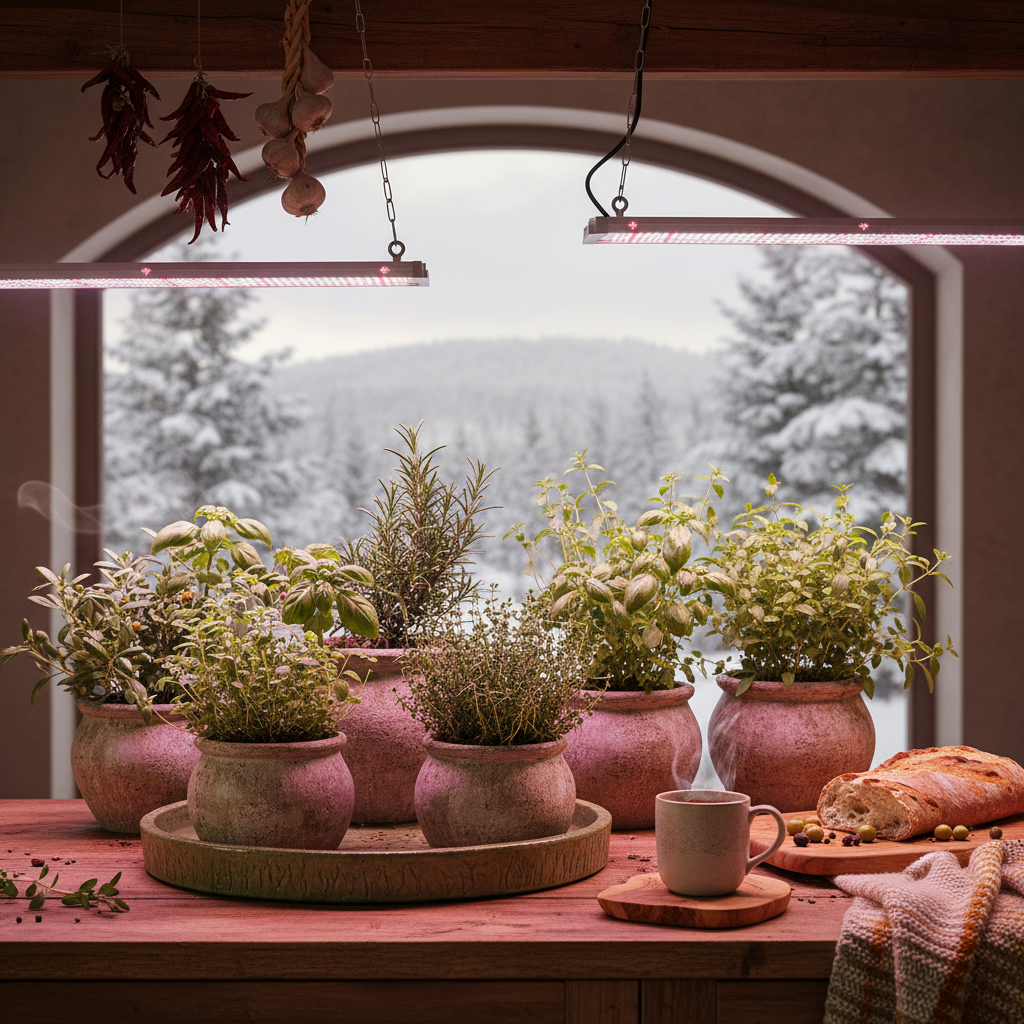
How to Grow Indoor Herbs in Winter: Keep Your Kitchen Garden Alive All Season
Learn how to successfully grow indoor herbs in winter with our expert tips on light, air, watering, and the best herbs to thrive all season.
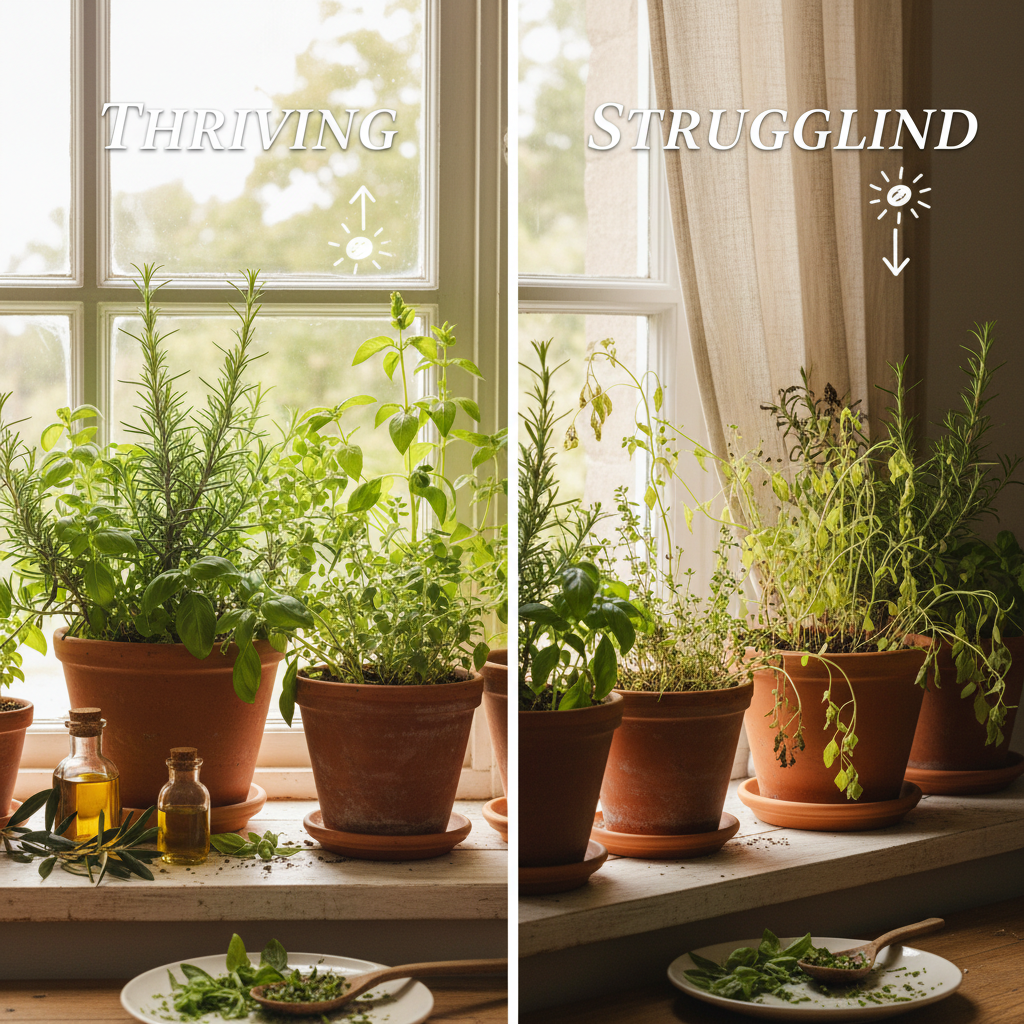
Will Herbs Grow Indoors? The Honest Truth (Plus 8 That Thrive)
Yes, herbs can grow indoors! Discover the thriving herbs and how to achieve indoor gardening success.
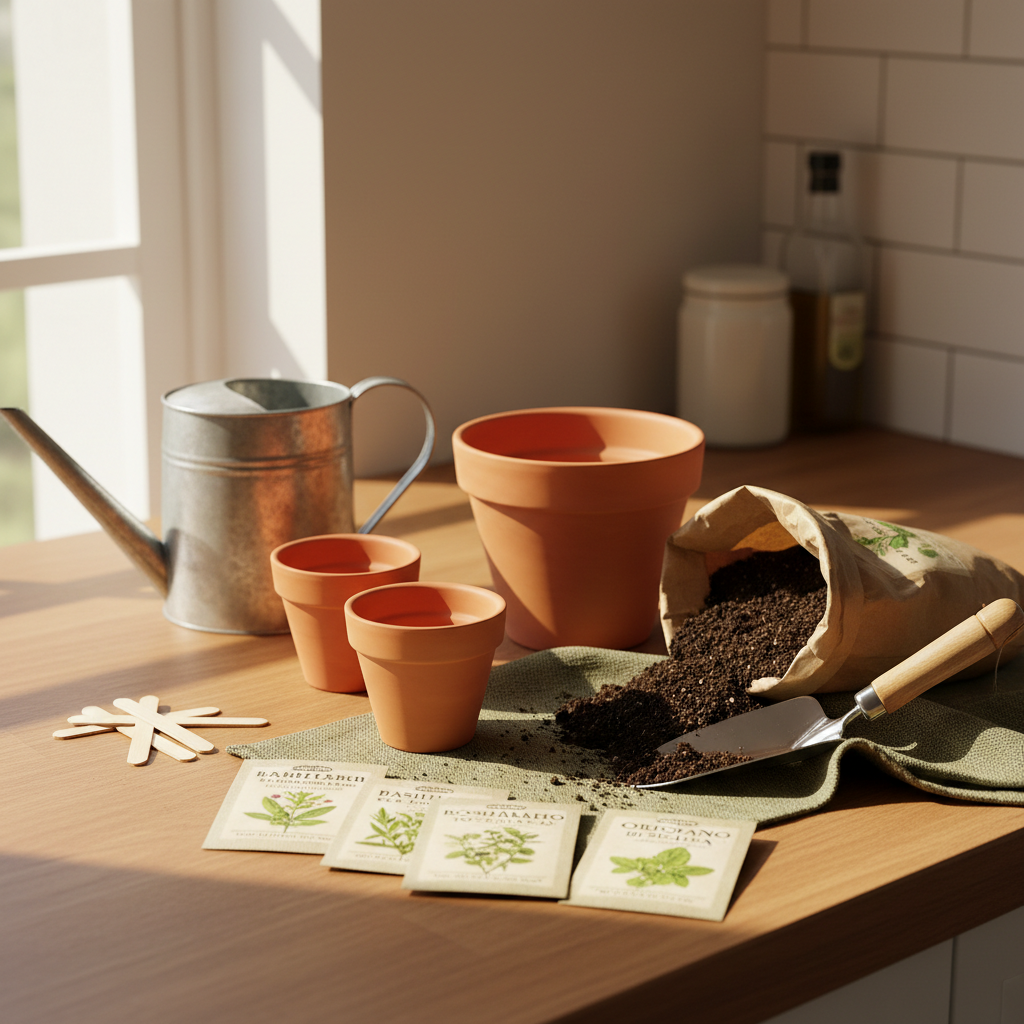
How to Grow Indoor Herbs: A Step-by-Step Guide for Complete Beginners
Learn how to grow indoor herbs with this comprehensive guide for beginners. Step-by-step instructions to start your home herb garden.