How to Grow Indoor Herbs in Winter: Keep Your Kitchen Garden Alive All Season
Learn how to successfully grow indoor herbs in winter with our expert tips on light, air, watering, and the best herbs to thrive all season.
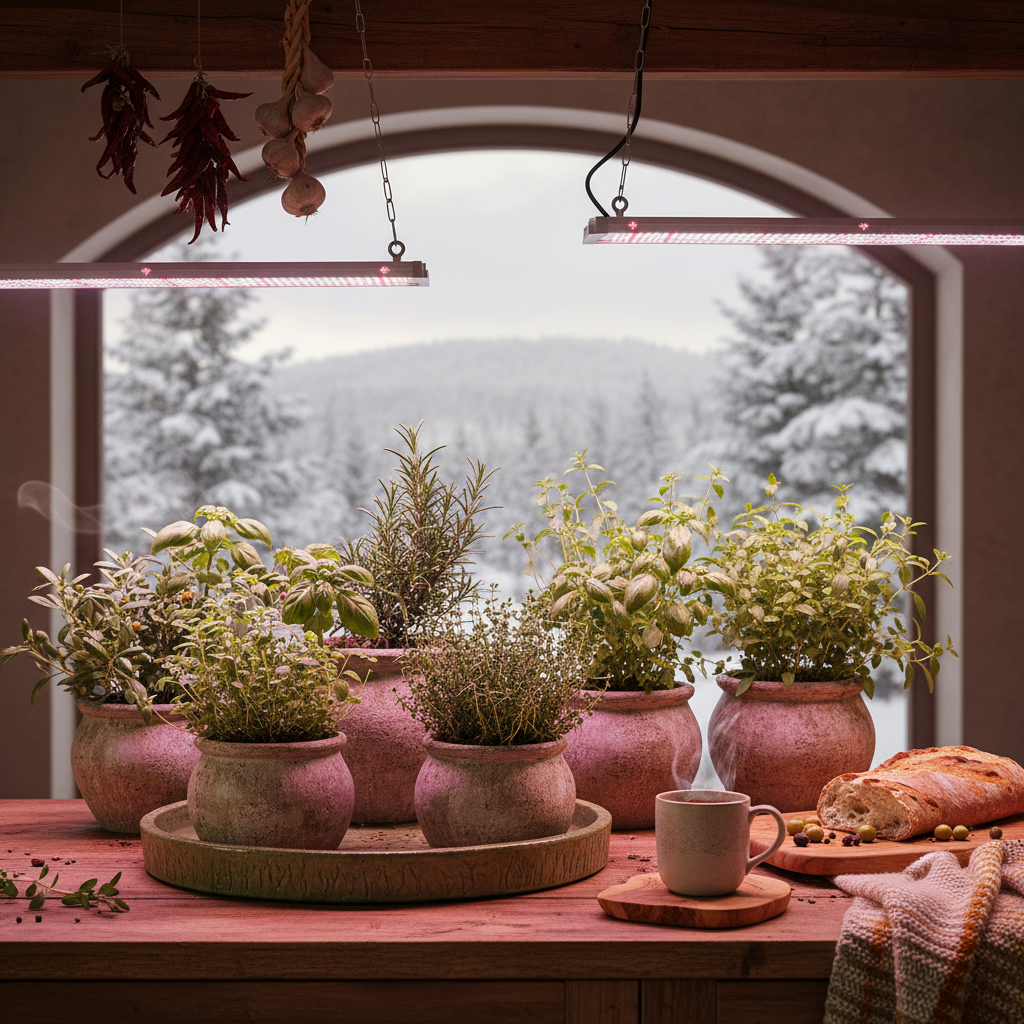
How to Grow Indoor Herbs in Winter: Keep Your Kitchen Garden Alive All Season
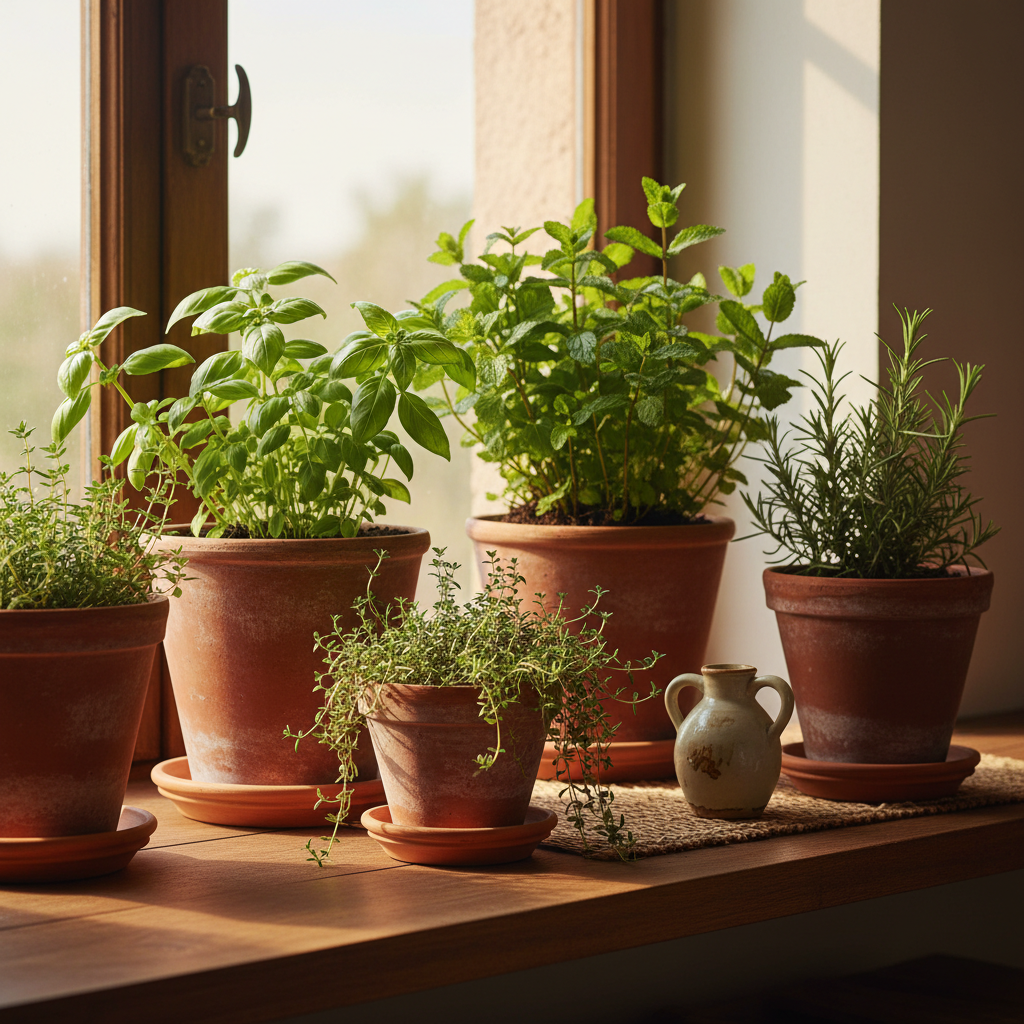
Growing herbs indoors during winter can be a rewarding experience, allowing you to enhance your culinary creations even when the frost bites outside. However, the colder months present specific challenges that can hinder your herb garden's success. This guide will outline everything you need to know about growing indoor herbs in winter, keeping your kitchen garden thriving all season long.
Why Winter Is Hard for Indoor Herbs
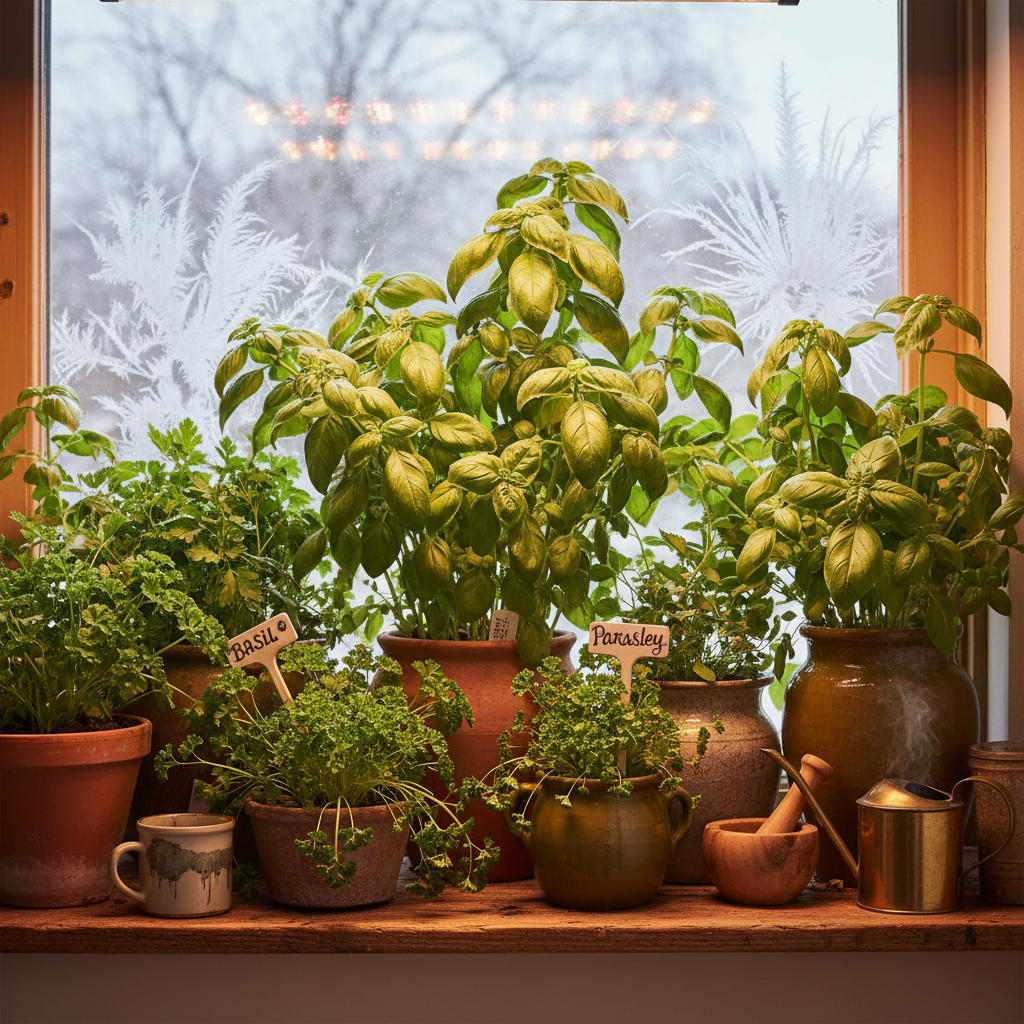
Winter’s cold, dry air can wreak havoc on your indoor herb garden. The lack of natural sunlight, combined with the warmth from your heating system, can create difficult conditions for your plants. Additionally, the ambient humidity levels drop significantly, making it harder for herbs to thrive. As a result, many gardeners may find their plants wilting or even going dormant. Nevertheless, overcoming these challenges is essential for not only maintaining your garden but also enjoying fresh herbs year-round.
The Light Problem in Winter (and How to Solve It)
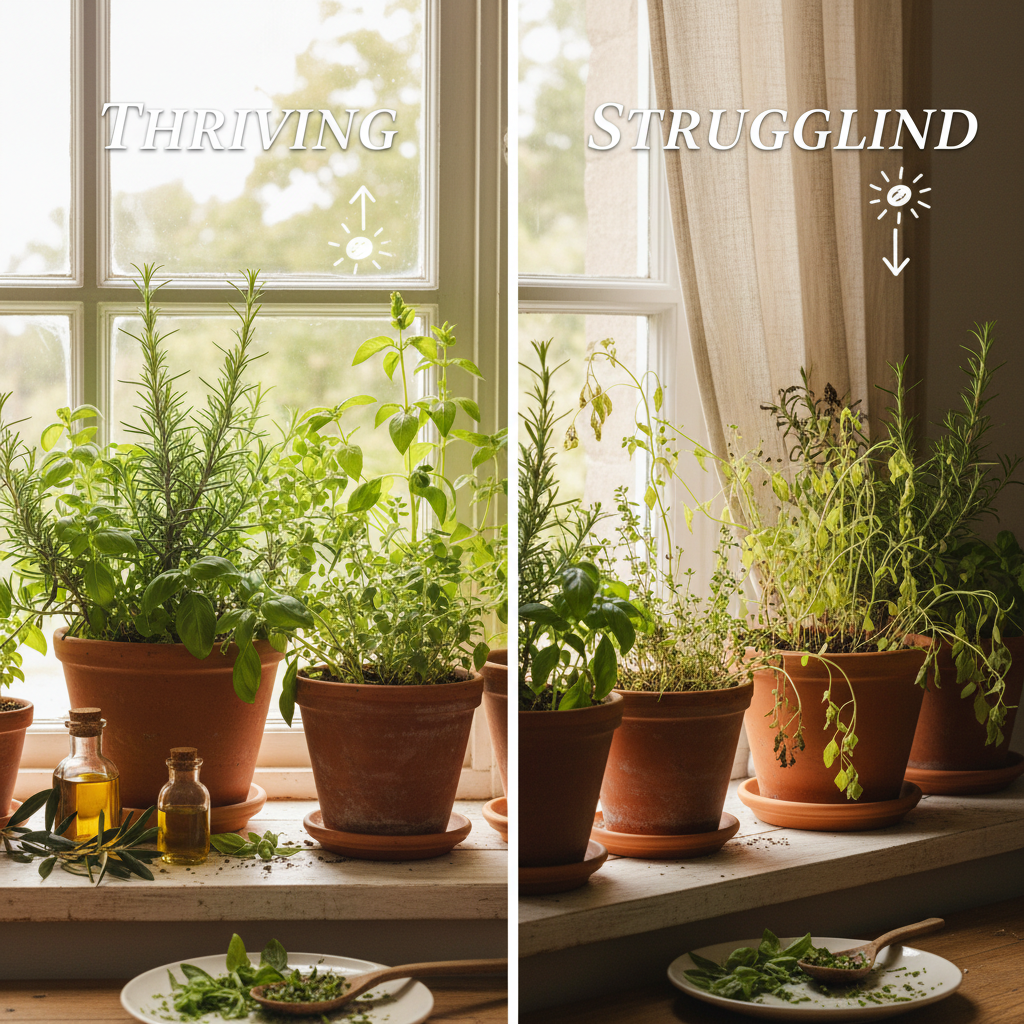
One of the biggest hurdles for indoor herbs in winter is the reduced amount of sunlight. Shorter days and cloudier weather mean that your plants may not be receiving sufficient light to photosynthesize effectively. Here's how to tackle this issue:
- Assess Natural Light: Observe how much natural light your herbs receive in winter. Southern and southwestern windows are typically the best.
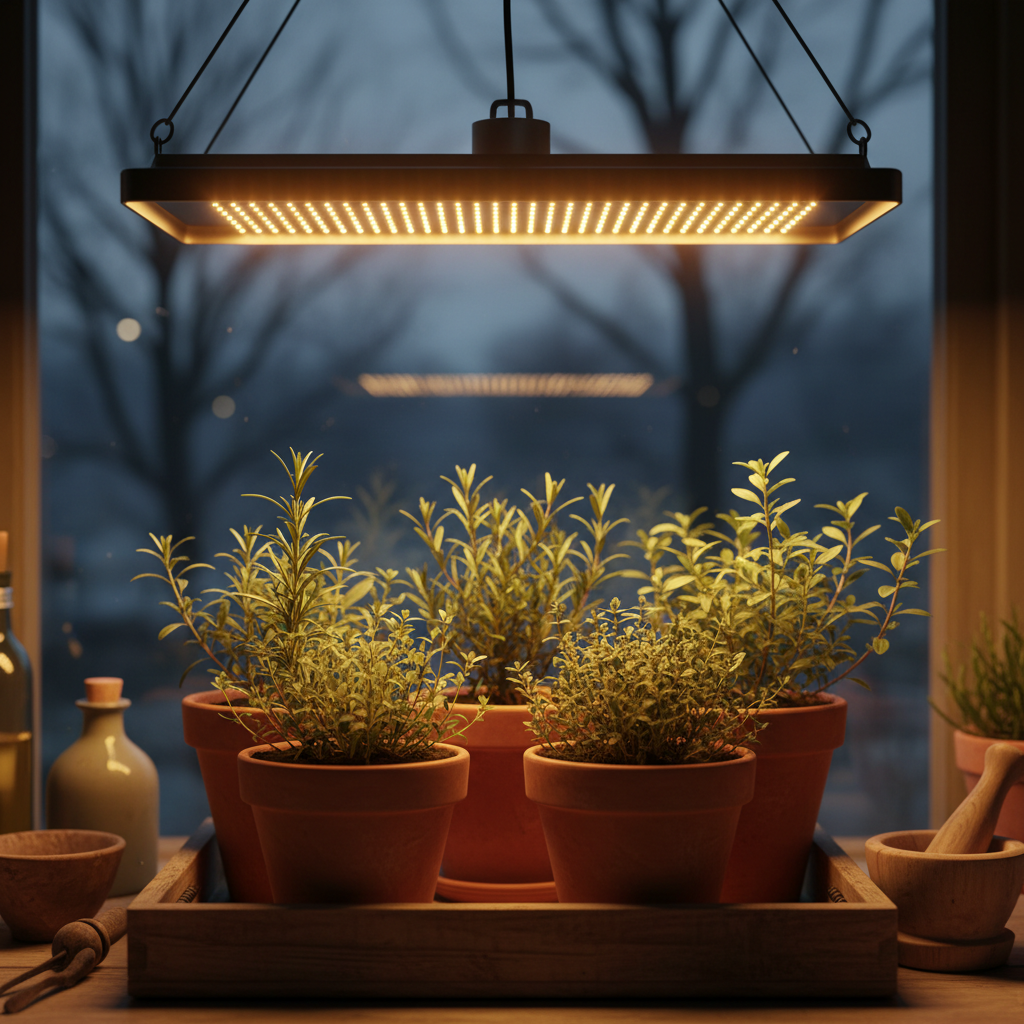
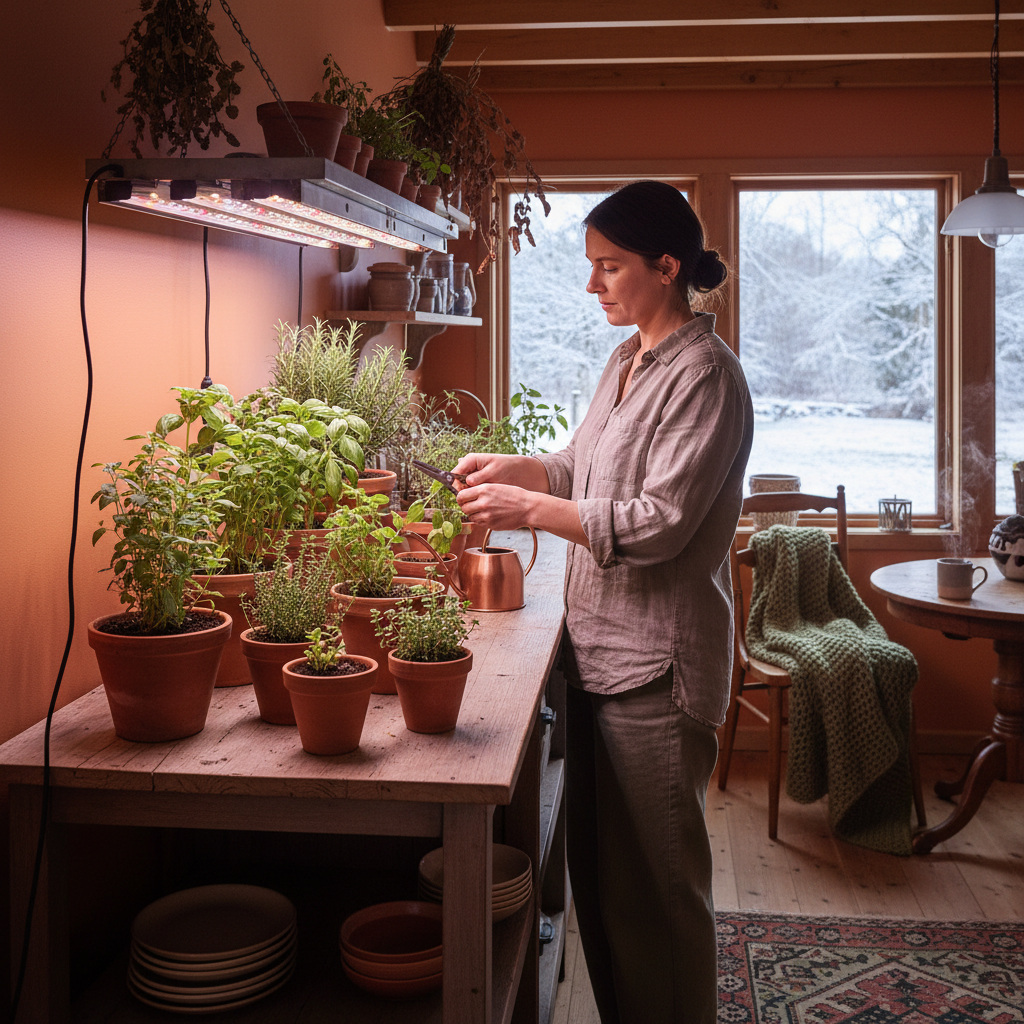
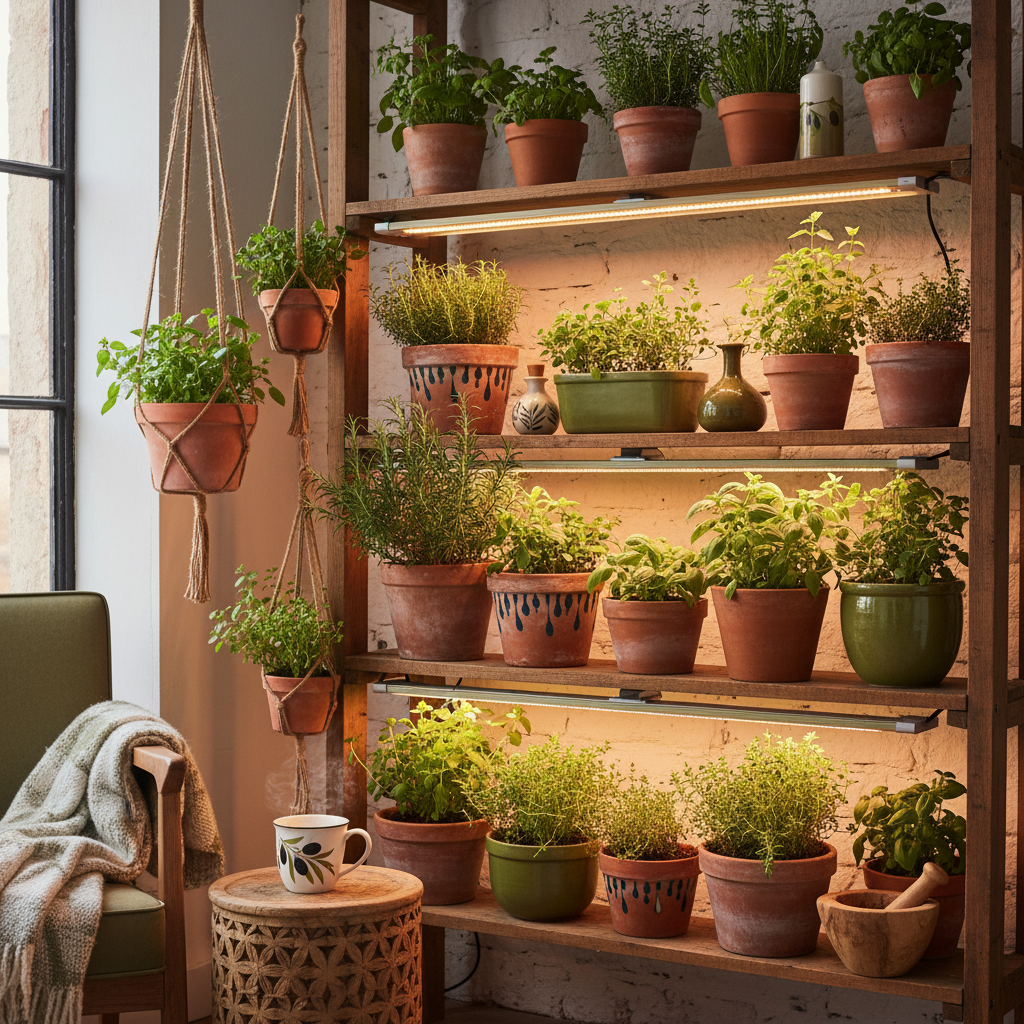
- Supplement with Grow Lights: Invest in grow lights to replicate sunlight. These can be placed directly over your plants for several hours a day, ensuring they get the light they need to thrive.
Best Grow Lights for Winter Herb Growing
Choosing the right grow lights can make all the difference for your indoor herbs. Some highly recommended options include:
- LED Grow Lights: Energy-efficient and customizable in spectrum, making them ideal for indoor gardening.
- Fluorescent Grow Lights: Affordable and easy to find. They provide a low heat output, which is great for a close-to-plant placement.
- High-Intensity Discharge (HID) Lights: A bit pricier but highly effective for larger grows, although they emit more heat.
Ensure your light source is on for at least 12-16 hours daily to compensate for the natural light deficiency.
Dealing with Dry Air from Heating Systems
Heating systems can lead to incredibly dry indoor air, which isn’t conducive to healthy herb growth. Here are a few strategies to combat this:
- Humidifiers: Using a humidifier can help maintain adequate moisture levels in your home, benefiting your herbs.
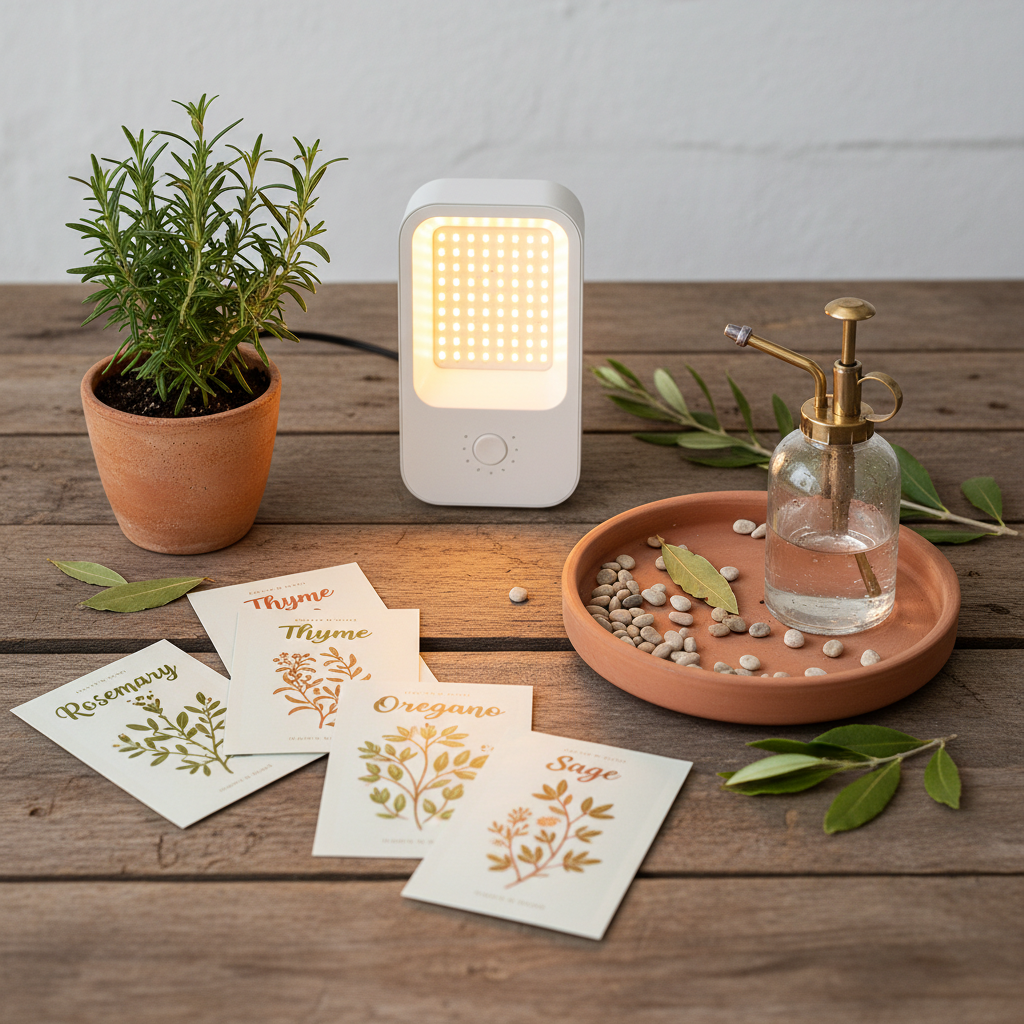
- Pebble Trays: Placing pots on trays filled with pebbles and water can increase humidity levels around your plants. Make sure that the bottom of the pots doesn’t sit directly in the water.
- Misting: Lightly misting your herbs can also provide them a brief boost of humidity, but be cautious not to overdo it.
Protecting Herbs from Cold Window Drafts
Windows can let in cold drafts that are detrimental to delicate plants. Here’s how to protect your herbs:
- Insulated Window Treatments: Consider using thermal curtains or film to help insulate your windows against drafts.
- Positioning: Place your herbs slightly away from windowsills during extreme cold spells, but still close enough to receive adequate light.
Which Herbs Thrive in Winter vs Go Dormant
Some herbs respond better to winter conditions than others. Here’s a guideline on which herbs thrive and which might go dormant:
Herbs That Thrive:
- Chives: These hardy herbs can flourish in cooler conditions.
- Parsley: Its flavor intensifies in cooler weather.
- Cilantro: Grows well in cooler temperatures and is relatively easy to maintain indoors during winter.
Herbs That May Go Dormant:
- Basil: Prefers warmth and may struggle.
- Mint: It can go dormant but can be revived in spring.
- Tarragon: May have a tough time; ensure it has the right conditions to keep it alive.
Starting Fresh Herbs in Winter
If you’re looking to start new herb plants in winter, consider easy-to-grow options like:
- Cilantro: A quick grower with a short life cycle; it thrives well in cooler temperatures.
- Parsley: Takes a bit longer to germinate but does well indoors.
- Chives: Fast-growing and hardy; they can be grown from seeds or divisions.
Tips for Starting:
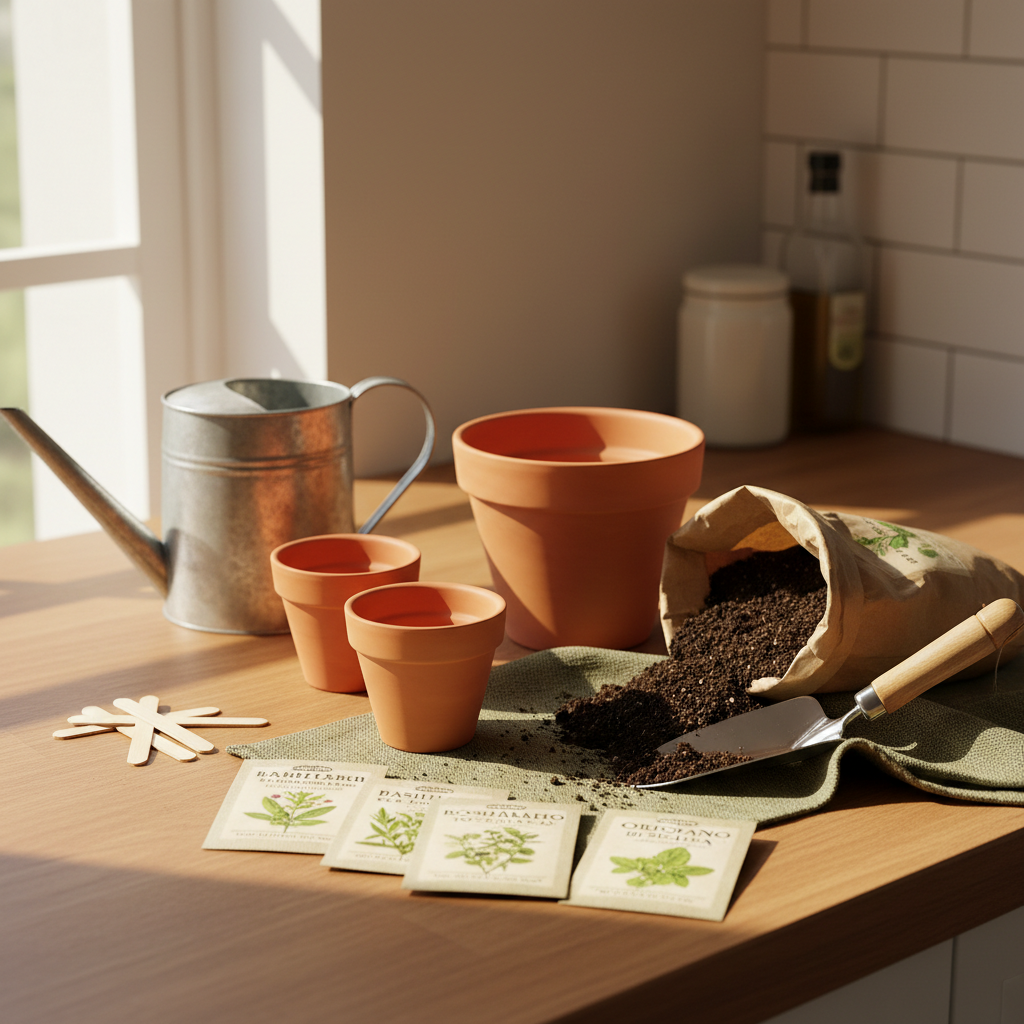
- Use seed-starting soil for the best results.
- Ensure proper drainage in pots to prevent waterlogging.
- Keep your pots in a well-lit area or under grow lights.
Overwintering Perennial Herbs
Many perennial herbs can be overwintered indoors with proper care. Here are some examples:
- Rosemary: Needs bright light and well-drained soil; can be cut back to encourage new growth.
- Thyme: Thrives in dry soil; reduce watering during winter.
- Oregano: Can be kept in a sunny place, benefiting from occasional pruning.
Ensure these perennial herbs are not exposed to extreme temperature fluctuations.
Adjusting Watering and Feeding in Winter
The watering needs of your herbs will often decrease in winter due to reduced light and drier air. Here's how to adjust:
- Check Soil Moisture: Stick your finger into the soil. If it feels dry an inch deep, it’s time to water.
- Reduce Fertilization: Plants typically need less nutrients in winter due to slower growth; cut back on fertilizing.
- Consistency is Key: Ensure you water consistently to avoid stress on your herbs.
Winter Herb Harvest Tips for Holiday Cooking
Wintertime is full of festive cooking opportunities! Here are a few tips for harvesting:
- Pick Early Morning: Harvest your herbs early in the day, when they’re at their most aromatic and flavorful.
- Use Freshly Cut Herbs: Incorporate freshly cut herbs like parsley, rosemary, and thyme into your holiday dishes for a burst of flavor (link to Ultimate Guide to Mediterranean Recipes).
FAQ
-
Can I grow herbs indoors in winter without supplementing light?
- Yes, but growth may be slow. Supplementing with grow lights will yield better results.
-
What type of soil is best for indoor herbs?
- Use a well-draining potting mix designed for herbs or general container plants.
-
How often should I water my indoor herbs in winter?
- Water when the top inch of soil is dry; this may be less frequent than in warmer months.
-
Are there herbs that I shouldn’t grow indoors in winter?
- Herbs like basil and mint can struggle; consider saving them for spring.
-
How do I know if my indoor herbs are getting enough light?
- If your herbs are leggy or have yellowing leaves, they may need more light.
-
Can I use regular household lighting for my herb garden?
- Household lighting typically doesn't emit the correct spectrum; use grow lights for best results.
Conclusion
Growing indoor herbs during winter may pose challenges, but with the right techniques and perseverance, you can keep your kitchen garden thriving all season. By addressing light, humidity, and temperature considerations, along with choosing suitable herbs for winter cultivation, you can enjoy fresh flavors for your dishes year-round. Take advantage of this guide, and keep your culinary creations fresh and vibrant all winter long.
Editor's Essentials
LED Grow Light Kit
Energy-efficient grow lights perfect for indoor herb gardens.
Check for seasonal discounts!
As an Amazon Associate, we earn from qualifying purchases.
Frequently Asked Questions
Related Articles
Will Herbs Grow Indoors? The Honest Truth (Plus 8 That Thrive)
Yes, herbs can grow indoors! Discover the thriving herbs and how to achieve indoor gardening success.
How to Grow Indoor Herbs: A Step-by-Step Guide for Complete Beginners
Learn how to grow indoor herbs with this comprehensive guide for beginners. Step-by-step instructions to start your home herb garden.
Indoor Herbs 101: The Complete Guide to Growing a Thriving Kitchen Herb Garden
Transform your home cooking with indoor herbs! Discover the best herbs to grow, tips for care, and how to maintain your kitchen herb garden.