Will Herbs Grow Indoors? The Honest Truth (Plus 8 That Thrive)
Yes, herbs can grow indoors! Discover the thriving herbs and how to achieve indoor gardening success.
Will Herbs Grow Indoors? The Honest Truth (Plus 8 That Thrive)
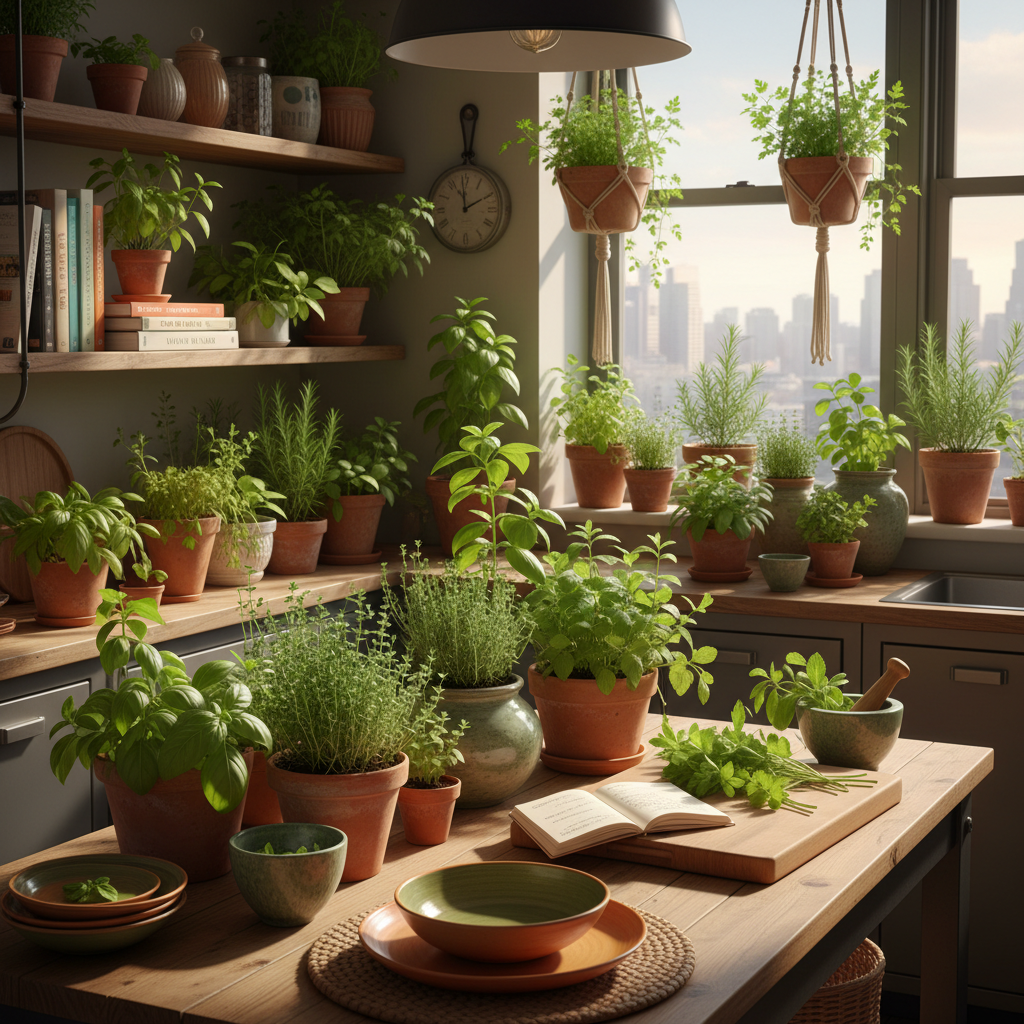
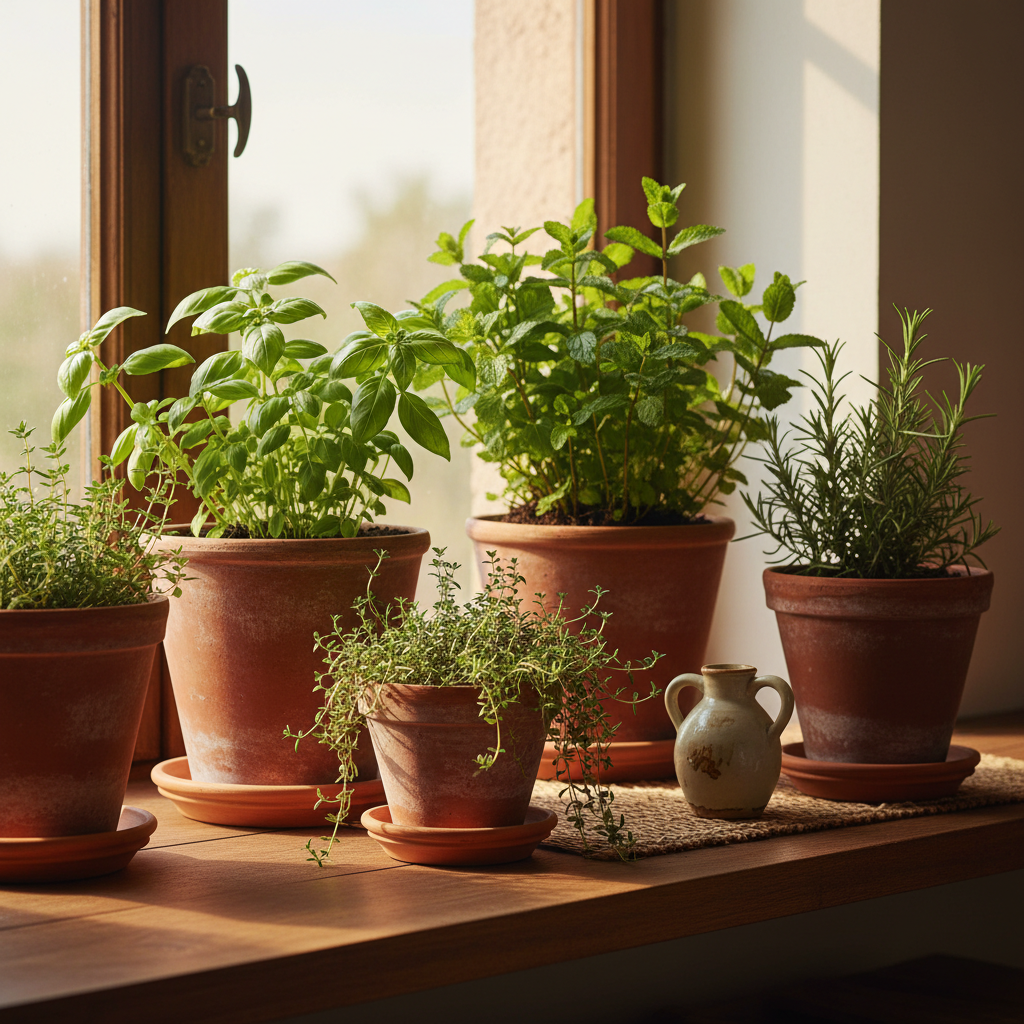
If you’ve ever wondered, will herbs grow indoors? the answer is a resounding yes, but with some important nuances. Growing herbs indoors can be a rewarding experience, providing fresh flavors for your meals and a wonderful aromatic quality to your living space. However, not all herbs thrive equally in indoor environments. Various factors, such as light, humidity, and air circulation, play crucial roles in their indoor gardening success.
In this comprehensive guide, we’ll explore the essential requirements for growing herbs indoors, showcase eight herbs that truly thrive in such conditions (complete with honesty about their success rates), and address common struggles some herbs face when grown indoors. Let’s dig deeper!
What Herbs Actually Need to Grow Indoors
Growing herbs indoors can be surprisingly successful if you know what they need. Here are some key requirements for indoor herb growth:
- Light: Most herbs need around 6-8 hours of sunlight each day. Natural light is essential, but some environments can make meeting this requirement challenging.
- Moisture: Herbs thrive best in well-drained soil that retains moisture without being waterlogged. Too little or too much water can lead to disease or death.
- Temperature: Most herbs prefer temperatures between 65°F and 75°F (18°C to 24°C), with some varieties tolerating slight deviations.
- Air Circulation: Good air circulation prevents mildew and fungus, which can be detrimental to herb plants.
- Nutrients: Indoor herbs benefit from fertilization, especially during the growing season when they are actively producing new growth.
The 8 Herbs That Truly Thrive Indoors
Now that we understand what herbs need, let’s take a closer look at eight herbs that have proven to be successful indoors:
-
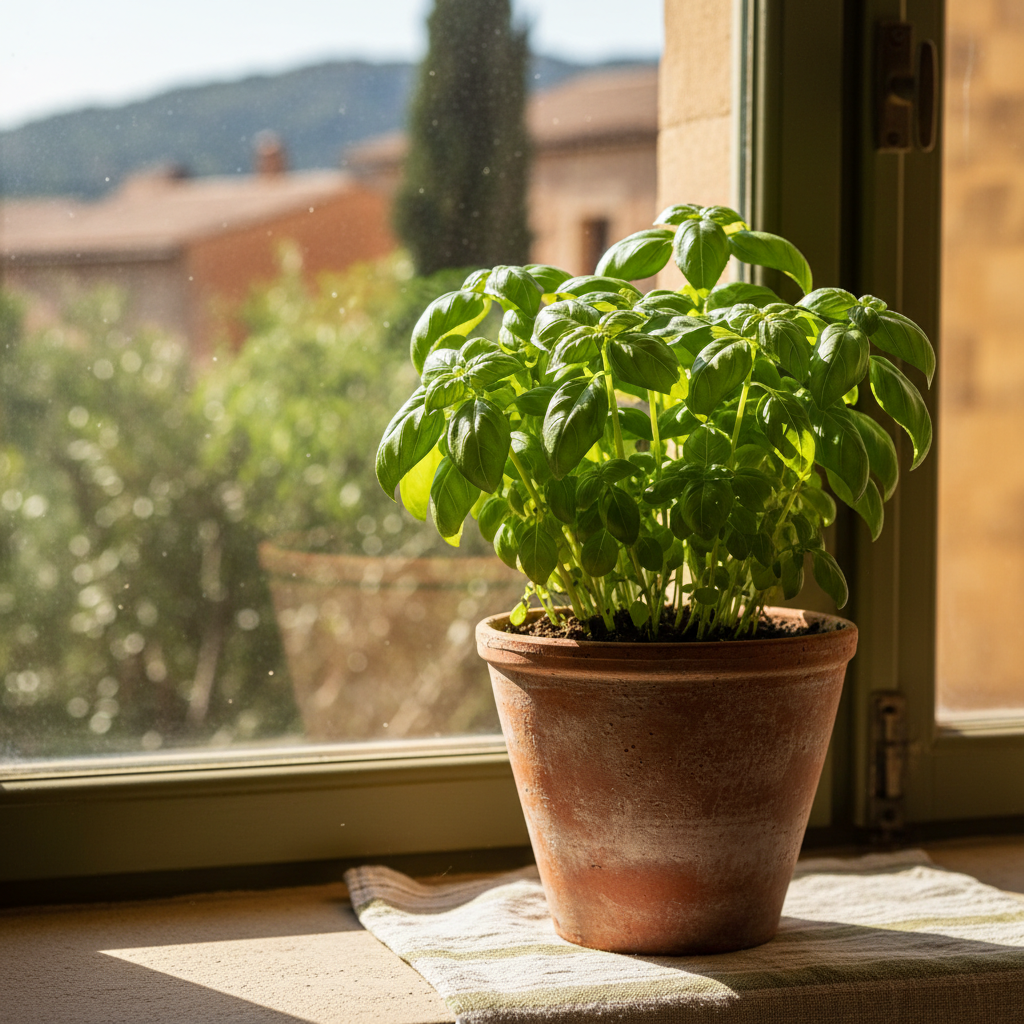
Basil
Success Rating: 9/10
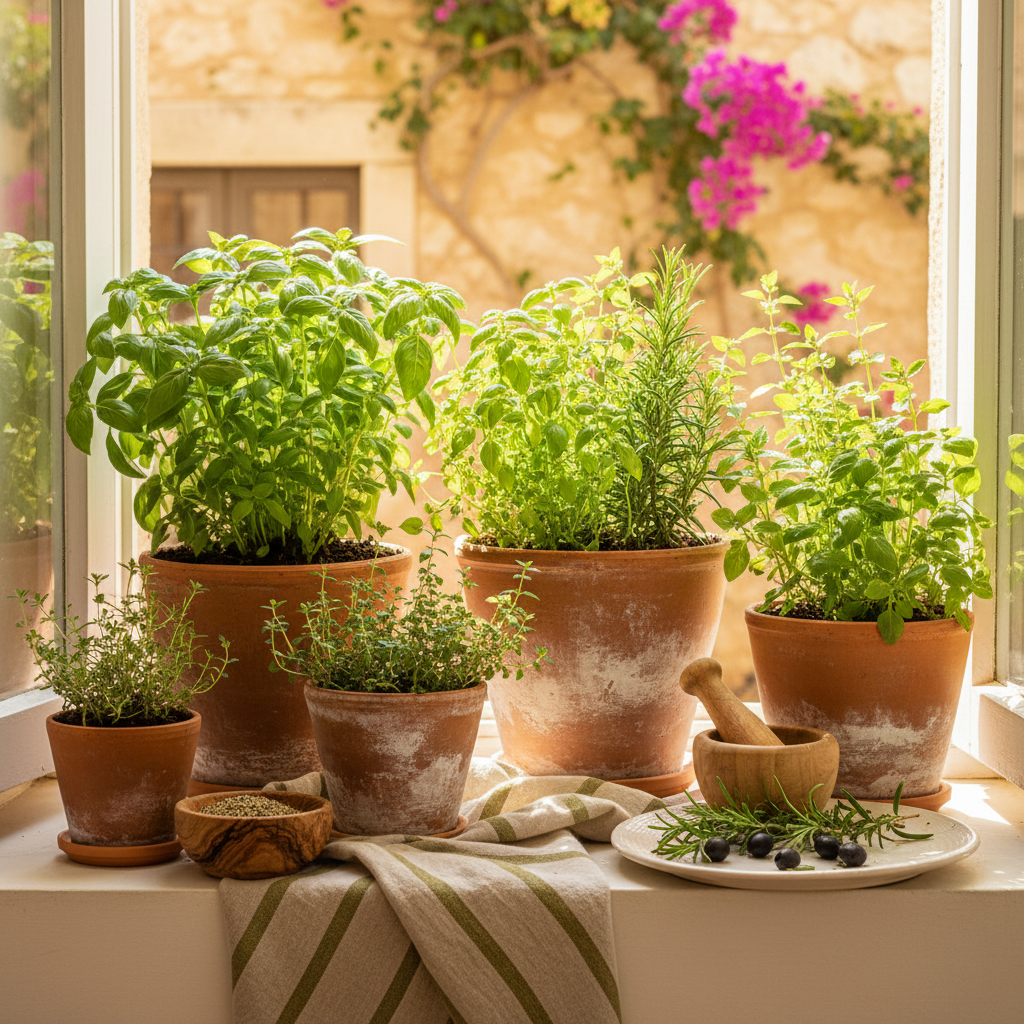
Basil is one of the best herbs to grow indoors due to its adaptability and growth rate. Provide plenty of sunlight and frequent trimming, and you’ll be rewarded with lush leaves. -
Mint
Success Rating: 8/10
Mint is hardy and tends to grow efficiently indoors. It can be invasive, so it's best to plant it in a pot to control its spread. -
Parsley
Success Rating: 7/10
Parsley can thrive in low light but grows better with more sunlight. Ensure you maintain just the right amount of moisture—neither too dry nor too wet. -
Chives
Success Rating: 8/10
Chives do well in various lighting conditions and are less fussy with water. Regular harvesting encourages new growth. -
Cilantro
Success Rating: 6/10
Cilantro can be tricky indoors as it bolts quickly in heat. It enjoys bright light, but this must be balanced with cooler temperatures. -
Thyme
Success Rating: 7/10
Thyme is a tough herb that does well in less water and can tolerate shelf life but loves sunlight, so it’s important to provide adequate brightness. -
Oregano
Success Rating: 8/10
Oregano does well in indoor settings, thriving in bright indirect light. It requires less frequent watering than many herbs, making it easier to manage. -
Sage
Success Rating: 7/10
Sage is quite resilient and can thrive indoors if you maintain proper watering levels and provide bright light.
Herbs That Struggle Indoors (and Why)
While many herbs thrive, several can struggle with indoor growth:
- Rosemary: Often a challenging herb to grow indoors due to its high light and airflow requirements. It’s sensitive to overwatering, making it challenging for newbies.
- Tarragon: Prefers cooler conditions and may not adapt well to typical indoor environments which can fluctuate.
- Fennel: Requires a lot of space and light, making it less suitable for confined indoor environments.
- Lavender: Needs a lot of direct sunlight and prefers dry conditions—indoor humidity can often hinder its growth.
Light: The Make-or-Break Factor for Indoor Herbs
The necessity of light for indoor herbs cannot be overstated. Most culinary herbs require a minimum of 6 to 8 hours of light daily, with many thriving better under bright, direct sunlight. The lack of sunlight can lead to leggy growth, slower development, and overall weak plants.
If your indoor garden doesn’t receive enough natural light, it’s important to consider an alternative solution.
Solving the Light Problem with Grow Lights
For those unable to provide adequate natural lighting, using grow lights can bridge the gap. Here are some options:
- LED Grow Lights: Efficient and long-lasting, these lights can effectively stimulate plant growth while using less energy.
- Fluorescent Lights: This is a budget-friendly option for providing bright light to your indoor herbs.
- Light Placement: Position your grow lights about 12-24 inches above your plants, adjusting as they grow.
Utilizing grow lights can ensure your indoor herbs receive the necessary light they require to flourish, overcoming the limitations of apartment living.
How Apartment Living Affects Indoor Herb Success
Living in an apartment can present unique challenges for indoor gardening, including limited space and natural light. Here are some considerations:
- Limited Sunlight: Many apartments have small windows or face directions that don’t allow much natural light to enter, complicating herb growth.
- Space Constraints: Finding a suitable spot for plant pots can be challenging, particularly in studio apartments or smaller spaces.
- Humidity Levels: Indoor heating or air conditioning can alter humidity levels, impacting moisture retention in the soil and overall plant health.
These factors don’t mean that you can't grow herbs indoors; they simply require more strategic planning and care.
Seasonal Success Rates for Indoor Herbs
The success of indoor herbs can also fluctuate seasonally. Here’s how different seasons can impact your indoor herb garden:
- Spring: Ideal for planting and growth, as the increasing amount of light supports strong development.
- Summer: While many herbs thrive due to abundant sunlight, they can struggle with temperature control if it gets too hot.
- Fall: Decreasing sunlight can mean adjusting light sources for your herbs, especially in smaller apartments.
- Winter: Indoor herbs may slow down growth during cold months; providing adequate light and temperature control becomes more critical.
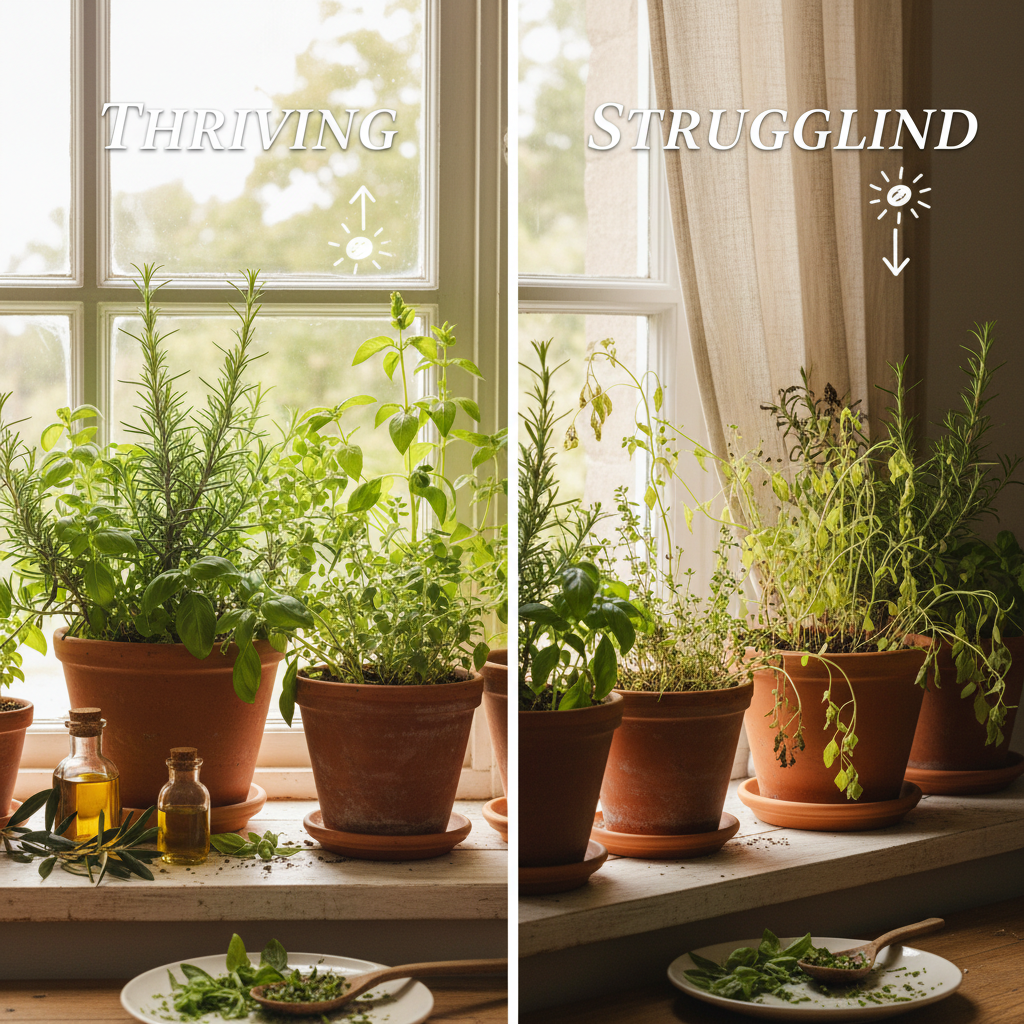
Signs Your Indoor Herbs Are Thriving vs Struggling
Recognizing how your herbs are doing is crucial for optimal growth:
Signs of Thriving Herbs:
- Lush, vibrant green leaves
- Growth in height or bushiness
- No signs of wilting or yellowing
Signs of Struggling Herbs:
- Yellowing leaves, especially at the base
- Wilting or drooping of stems
- Leaf drop or stunted growth
By being able to identify these signs, you can adjust your care regimen as needed, intervening before issues become critical.
FAQs
-
Can you grow herbs inside without sunlight?
Yes, you can! Utilizing grow lights can help provide the brightness needed for indoor herbs without relying solely on sunlight. -
What are the best herbs to grow indoors?
Some of the top indoor herbs include basil, mint, chives, and oregano, all of which can thrive well under the right conditions. -
How often should I water indoor herbs?
Watering frequency varies by type, but a good rule of thumb is to check the soil moisture regularly—water when the top inch feels dry. -
What temperature is best for indoor herbs?
Most herbs prefer temperatures between 65°F and 75°F (18°C to 24°C). -
Why are my indoor herbs wilting?
Wilting can occur due to underwatering, overwatering, poor light conditions, or pest infestations. Checking each factor can help determine the cause. -
What should I do if my herbs start to bolt?
When herbs bolt (produce flowers), it's usually a sign they’re stressed. Trim back the flowers and ensure you adjust their light and temperature for better results.
Conclusion
Growing herbs indoors can be a fulfilling endeavor. While it comes with its challenges, understanding the needs of these plants ensures a greater chance for success. By choosing the right herbs, addressing common issues like light and humidity, and being mindful of seasonal changes, you can enjoy a thriving indoor herb garden regardless of where you live. With a little care, you can have fresh herbs at your fingertips, ready to elevate your culinary creations.
For more detailed tips on indoor herbs, check our complete guide at Indoor Herbs Complete Guide.
Editor's Essentials
LED Grow Light
Efficient and adjustable grow light perfect for indoor herb growth.
$49.99
Herb Starter Kit
Complete kit with seeds, pots, and soil for starting your indoor herb garden.
$29.99
As an Amazon Associate, we earn from qualifying purchases.
Frequently Asked Questions
Related Articles
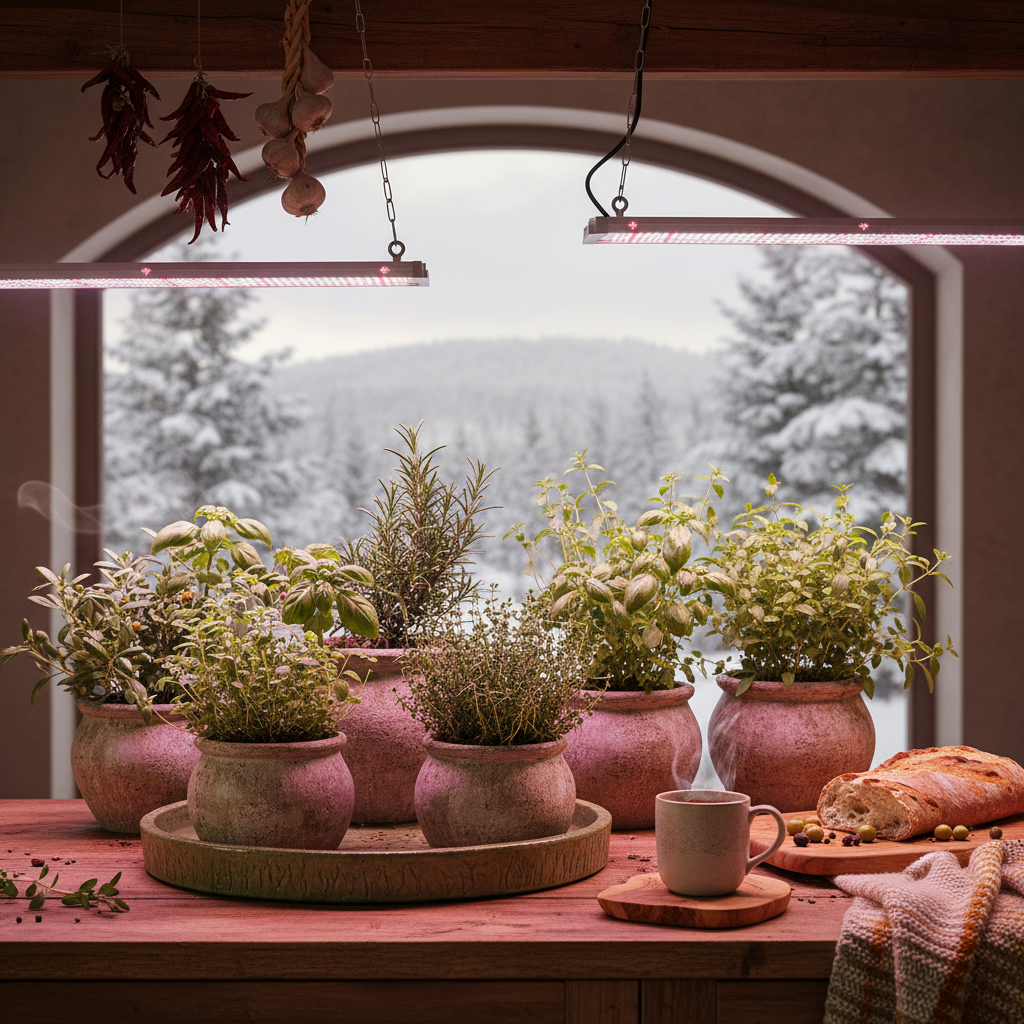
How to Grow Indoor Herbs in Winter: Keep Your Kitchen Garden Alive All Season
Learn how to successfully grow indoor herbs in winter with our expert tips on light, air, watering, and the best herbs to thrive all season.
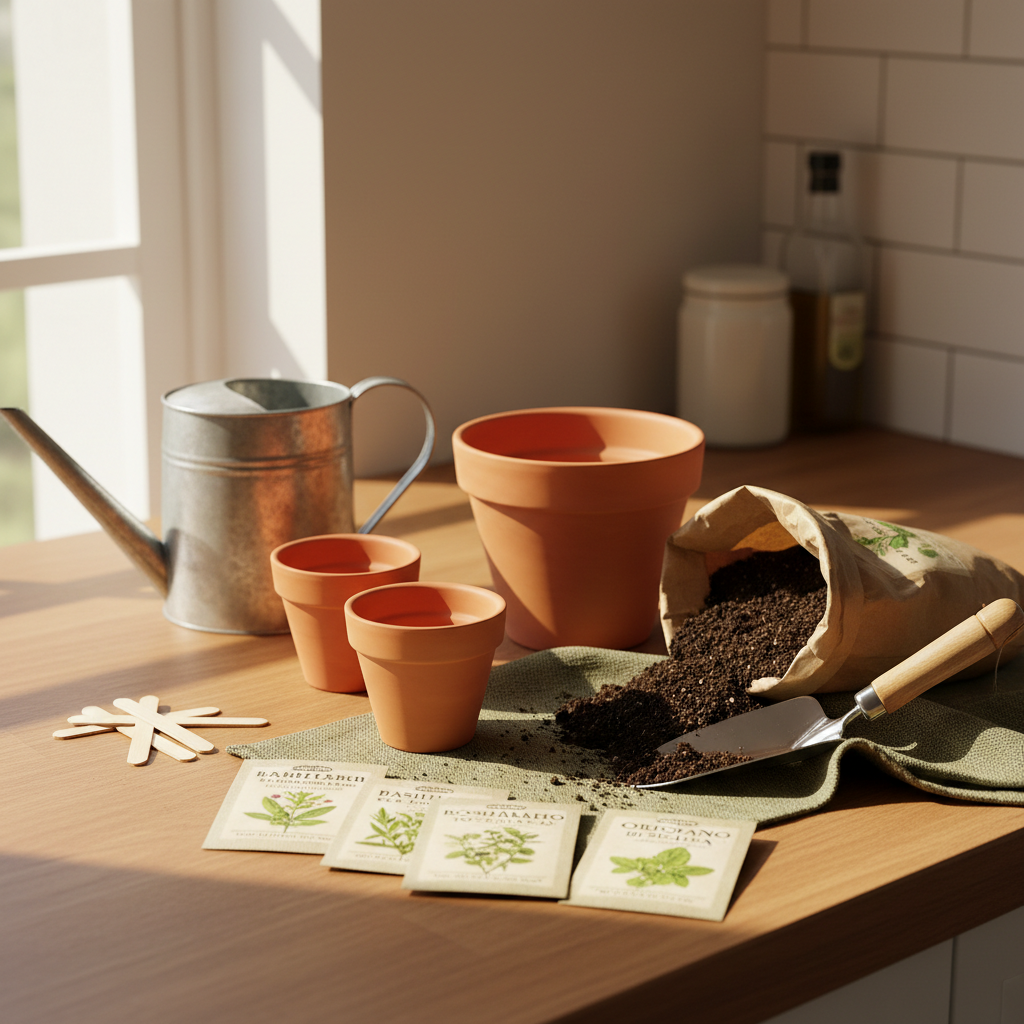
How to Grow Indoor Herbs: A Step-by-Step Guide for Complete Beginners
Learn how to grow indoor herbs with this comprehensive guide for beginners. Step-by-step instructions to start your home herb garden.
Indoor Herbs 101: The Complete Guide to Growing a Thriving Kitchen Herb Garden
Transform your home cooking with indoor herbs! Discover the best herbs to grow, tips for care, and how to maintain your kitchen herb garden.