How to Grow Indoor Herbs: A Step-by-Step Guide for Complete Beginners
Learn how to grow indoor herbs with this comprehensive guide for beginners. Step-by-step instructions to start your home herb garden.
How to Grow Indoor Herbs: A Step-by-Step Guide for Complete Beginners
Growing herbs indoors is a rewarding hobby that adds fresh flavors to your cooking and beautifies your space. If you're wondering how to grow indoor herbs, you're in the right place! This guide will walk you through every step, ensuring that even complete beginners can successfully cultivate their own indoor herb garden.
What You Need Before You Start
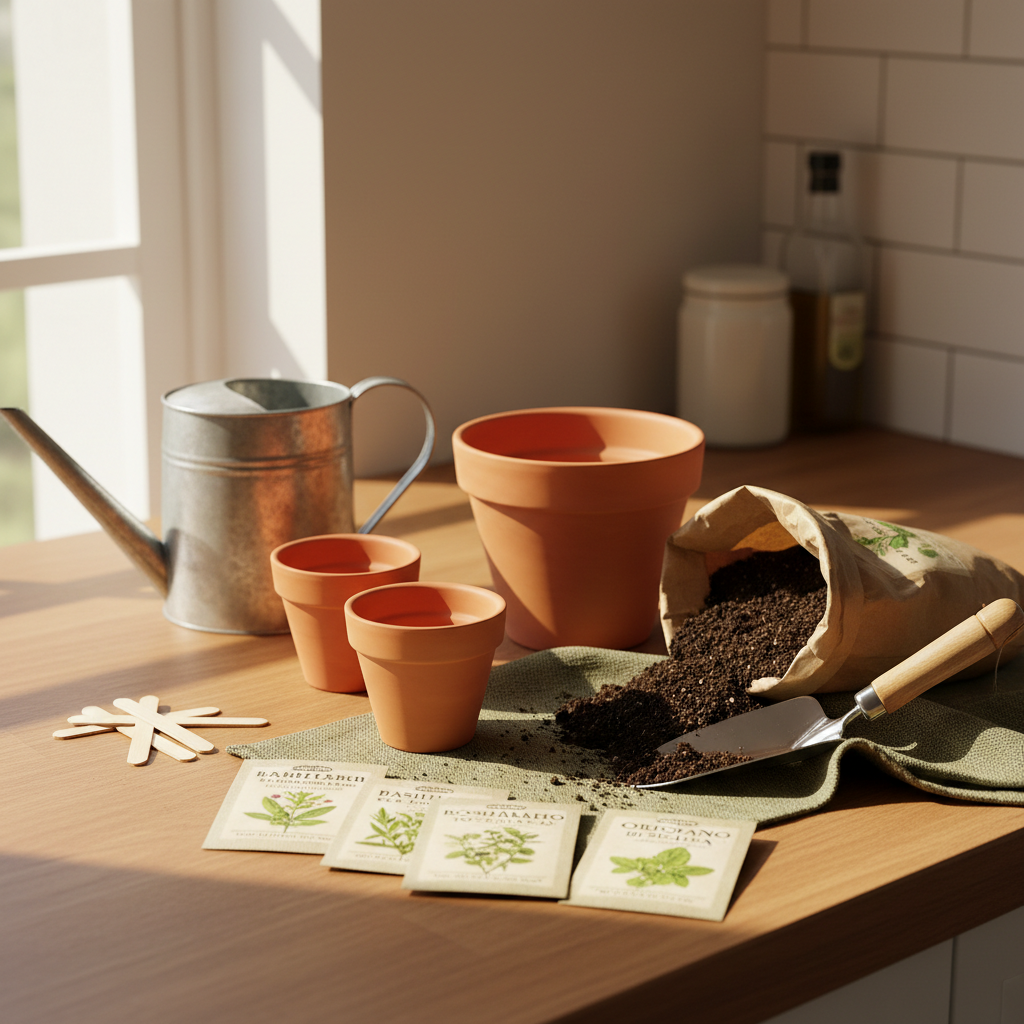
Here’s a complete supply list to help you kick off your indoor herb gardening journey:
- Herb Seeds or Seedlings: Basil, parsley, cilantro, and chives are great for beginners.
- Containers: You can use pots, planters, or even recycled containers with drainage holes.
- Soil Mix: Look for high-quality potting soil that retains moisture yet drains well.
- Watering Can: A container with a spout is ideal for watering your herbs.
- Light Source: Natural sunlight is best, but grow lights can also be used if sunlight is limited.
- Fertilizer: A balanced fertilizer made for herbs can help them thrive.
- Gardening Tools: A small trowel, scissors for trimming, and labels for your herbs can be helpful.
Step 1 — Choosing Your Herbs
Deciding which herbs to grow is an exciting part of the process! Beginners should focus on herbs that are easy to care for and highly versatile. Here are some of the best herbs to grow indoors:
- Basil: A must-have for Italian dishes and pesto. Prefers warmth and sunlight.
- Parsley: Great for garnishing dishes and packed with nutrients.
- Cilantro: A staple in many cuisines, it grows quickly and can be used in salads and salsas.
- Chives: Offers a mild onion flavor, easy to grow and maintain.
Consider your cooking habits and choose herbs that you frequently use to make the most out of your indoor garden.
Step 2 — Selecting the Right Containers
The containers you choose will significantly impact your herbs' growth. Here’s what to keep in mind:
- Size: Choose pots that are at least 6-8 inches in diameter for most herbs to allow for root growth.
- Drainage: Ensure your containers have drainage holes to prevent root rot.
- Material: Terra cotta pots are great for indoor herbs as they are porous and allow moisture to evaporate. Plastic pots are lightweight and can retain more moisture, which can be helpful depending on your local climate.
Step 3 — Preparing Your Soil Mix
The soil mix is crucial for your herbs’ health. You can either buy a pre-mixed potting soil specially designed for herbs or create your own mix:
- Ingredients for Homemade Mix:
- 2 parts potting soil
- 1 part perlite or sand (for drainage)
- 1 part compost or well-rotted manure (for nutrients)
Make sure to mix these components thoroughly for an even distribution before filling your containers.
Step 4 — Planting (Seeds vs Seedlings vs Cuttings)
Depending on your preference and the herbs you've chosen, you can plant seeds, seedlings, or cuttings:
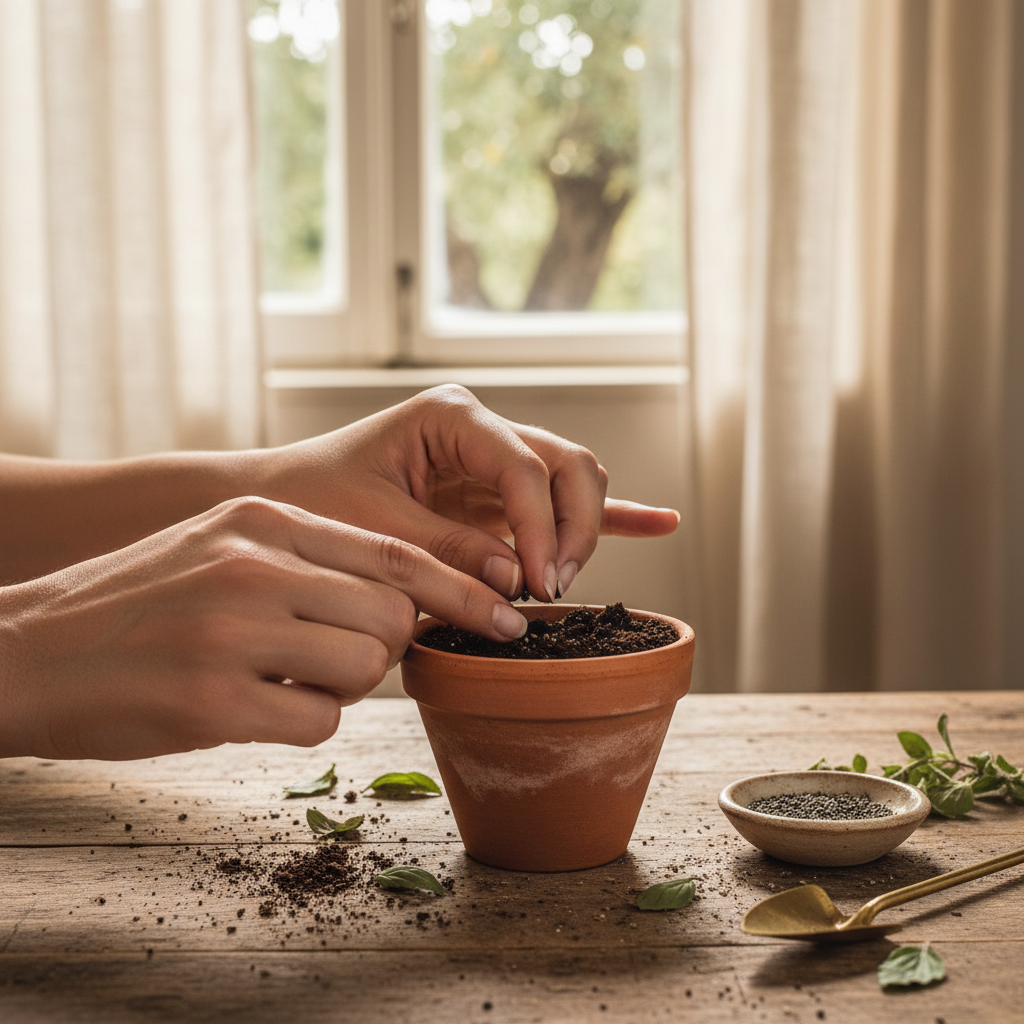
- Seeds: For herbs like basil and cilantro, plant your seeds about 1/4 inch deep and cover lightly with soil. Keep the soil moist but not soggy.
- Seedlings: If you’re starting with seedlings, simply transfer them to your larger containers and fill around the roots with soil, watering them lightly.
- Cuttings: You can propagate some herbs like mint and basil by taking a healthy cutting, placing it in water until roots form, and then transferring it to soil.
Step 5 — Finding the Right Light Spot
Light is essential for the health of your indoor herbs. Here are some tips for finding the right light spot:
- Direct Sunlight: Most herbs require at least 6-8 hours of sunlight daily. A south or west-facing window is ideal.
- Artificial Lighting: If natural light is limited, consider using LED or fluorescent grow lights. Position them about 6-12 inches above the plants, adjusting as they grow.
Step 6 — Watering Correctly
Proper watering is key to keeping your herbs healthy. Here are some guidelines to follow:
- Frequency: Water your herbs when the top inch of soil feels dry to the touch.
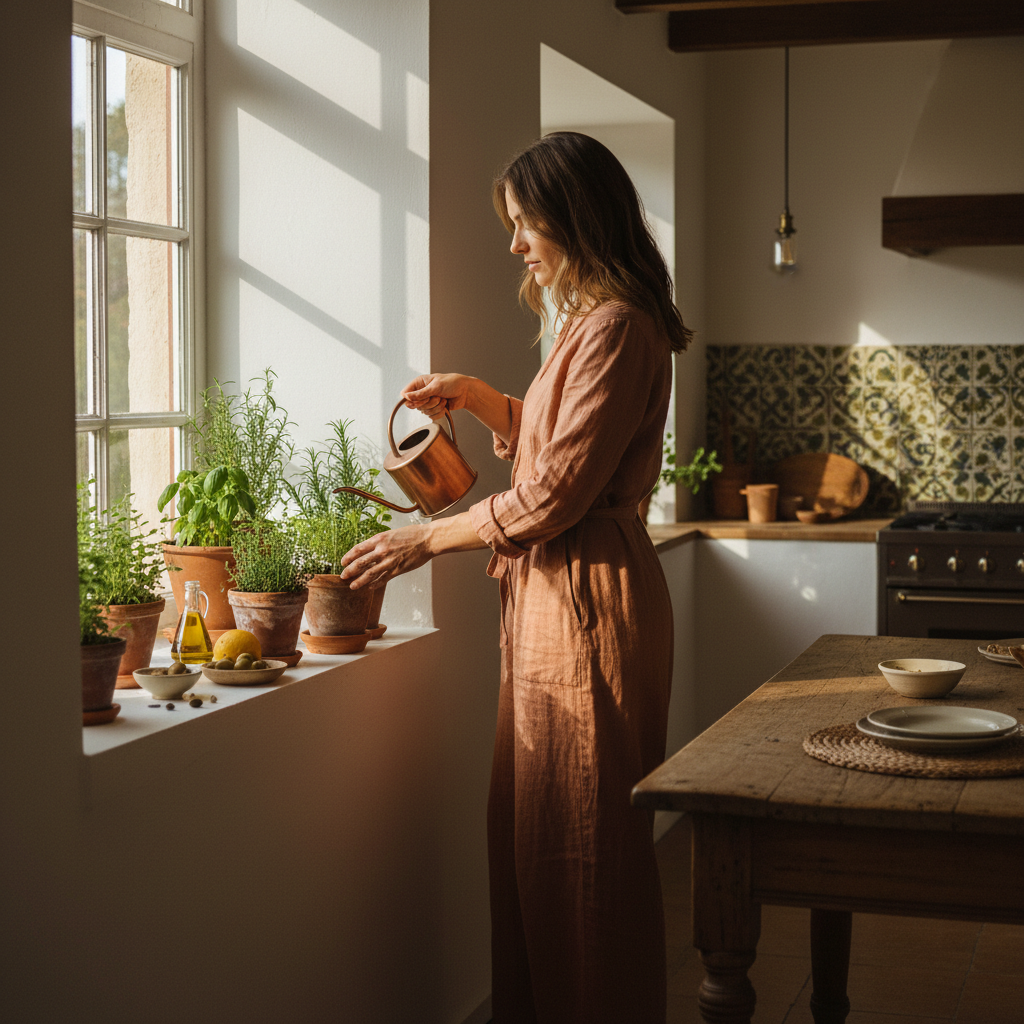
- Method: Water thoroughly until excess drips from the drainage holes, ensuring roots get enough moisture.
- Seasonal Adjustments: During winter, plants may require less water due to lower light levels and cooler temperatures.
Step 7 — Your First Harvest
Once your herbs start to grow, you’ll be eager to harvest! Here’s how:
- Timing: Wait until your plants have mature leaves, usually around 6-8 weeks for most herbs.
- Method: Use scissors to snip leaves, taking care not to remove more than one-third of the plant at a time to encourage continued growth.
Pruning to Keep Herbs Bushy
Regular pruning is necessary to keep your herbs bushy and productive. Here’s how to do it:
- Trimming: Regularly cut back the top leaves and stems to encourage branching.
- Flower Removal: Remove flower buds as they appear to keep the plant focused on producing leaves.
Troubleshooting: What Went Wrong?
Even with the best care, problems can arise. Here’s how to troubleshoot common issues:
- Yellow Leaves: Usually a sign of overwatering. Ensure proper drainage and adjust your watering schedule.
- Leggy Plants: If your herbs are growing tall and spindly, they may not be getting enough light. Move them to a sunnier spot or adjust your grow lights.
- Pest Infestation: Rinse affected plants with water and consider using insecticidal soap if necessary.
FAQ
What herbs can I grow indoors?
You can grow many herbs indoors, such as basil, parsley, cilantro, mint, and chives. Look for herbs that thrive in small spaces.
How much light do indoor herbs need?
Most indoor herbs need at least 6-8 hours of direct sunlight each day. If sunlight is insufficient, consider using grow lights.
Can I grow herbs indoors without sunlight?
Yes, you can use LED grow lights to provide the necessary light for herbs to thrive indoors even without natural sunlight.
How do I water my indoor herbs?
Water your herbs when the top inch of soil is dry. Ensure you water thoroughly until it drains from the bottom.
What is the best way to propagate herbs indoors?
You can propagate herbs indoors by taking cuttings, using seedlings, or sowing seeds directly in soil.
When can I harvest my indoor herbs?
You can typically start harvesting indoor herbs about 6-8 weeks after planting, once the leaves are mature.
Conclusion
Growing indoor herbs is a fulfilling and cost-effective way to enhance your cooking while adding greenery to your home. With this step-by-step guide on how to grow indoor herbs, you have all the tools and knowledge you need to create a flourishing indoor herb garden. Whether you're growing herbs indoors from seed or using seedlings, the experience is sure to enrich your life and culinary practices. Happy gardening! For more tips, check out our complete guide to indoor herbs and info on herbs that grow indoors.
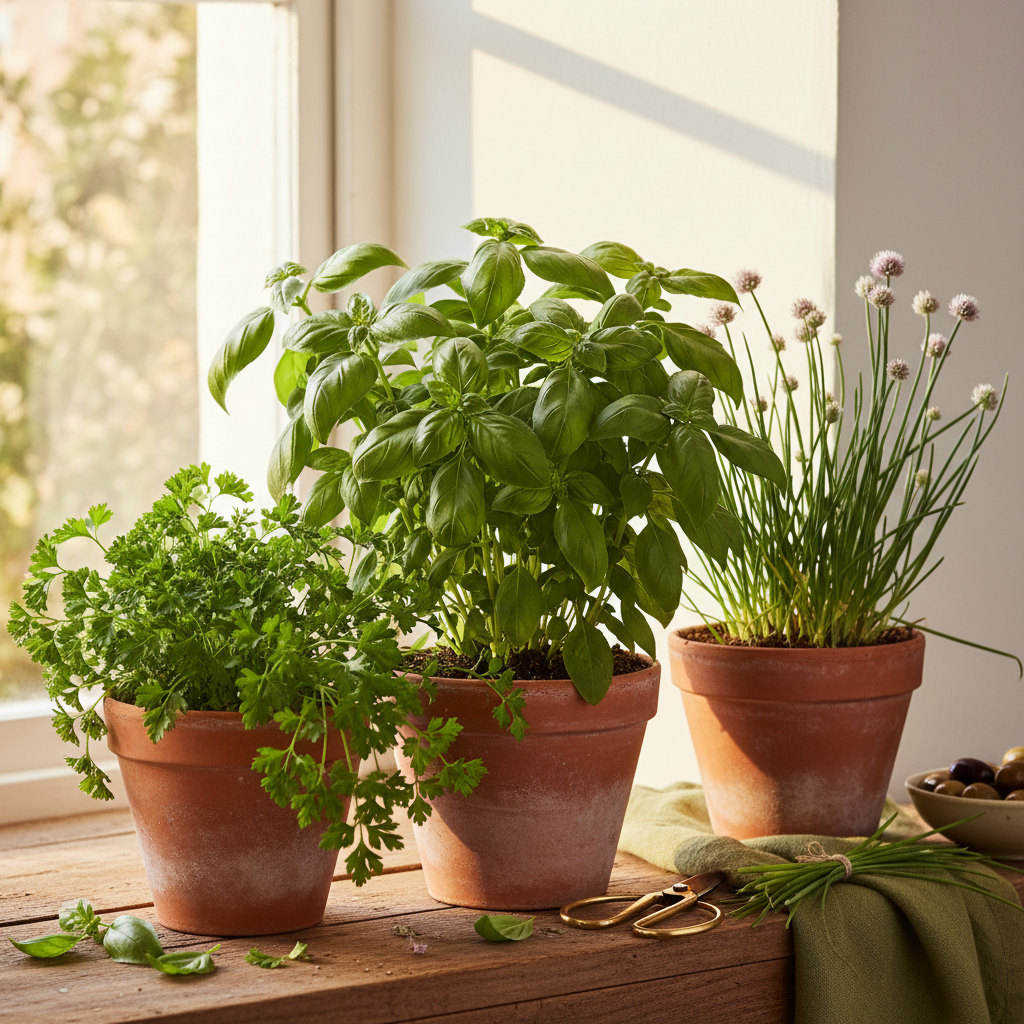
Editor's Essentials
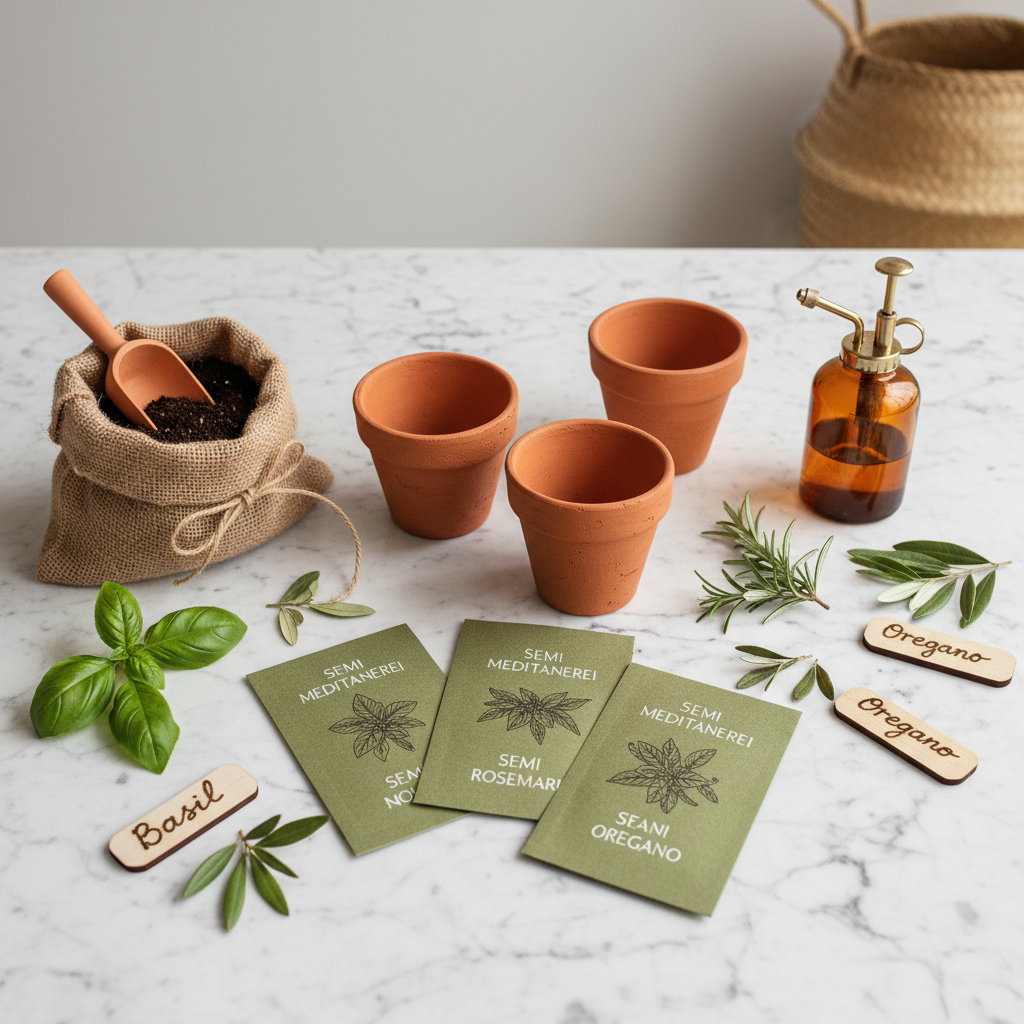
Indoor Herb Garden Kit
Everything you need to start your indoor herb garden, including pots, soil, and seeds.
Check current pricing
As an Amazon Associate, we earn from qualifying purchases.
Frequently Asked Questions
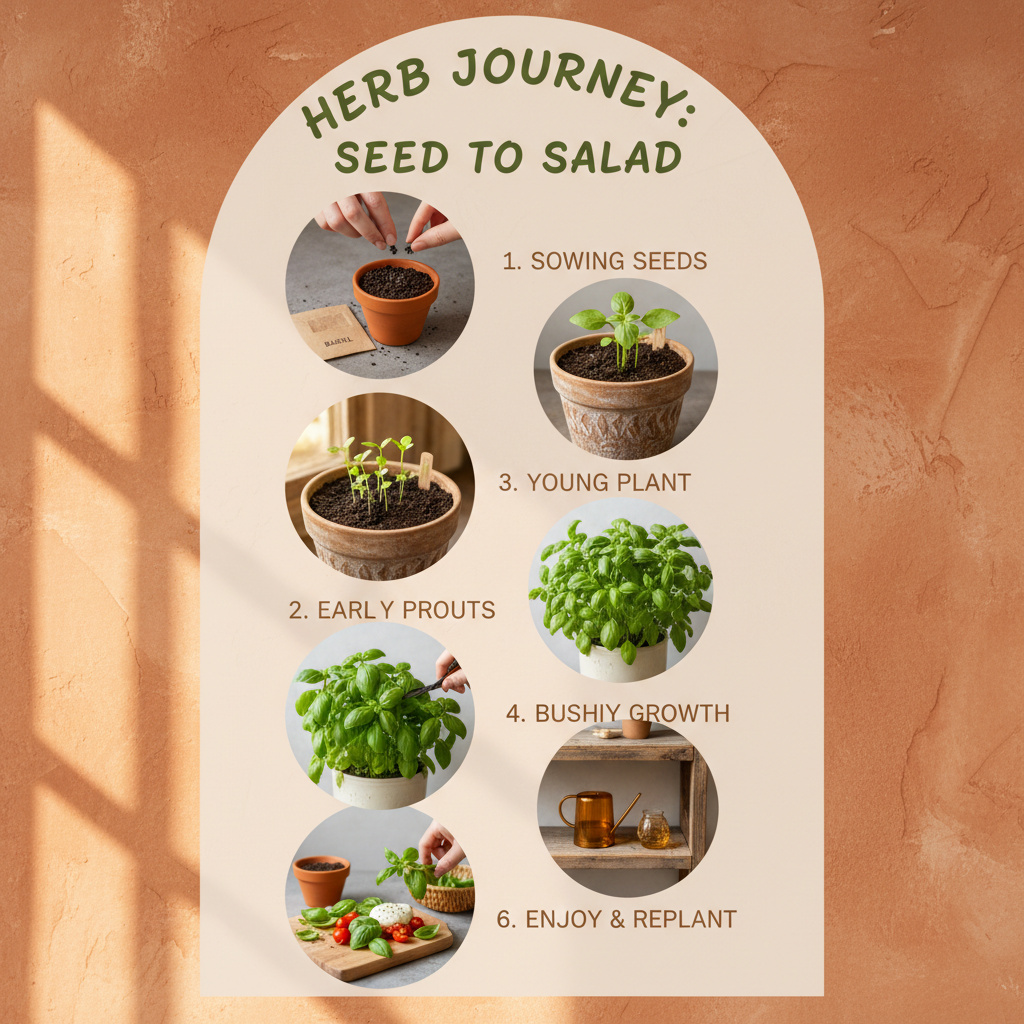
Related Articles
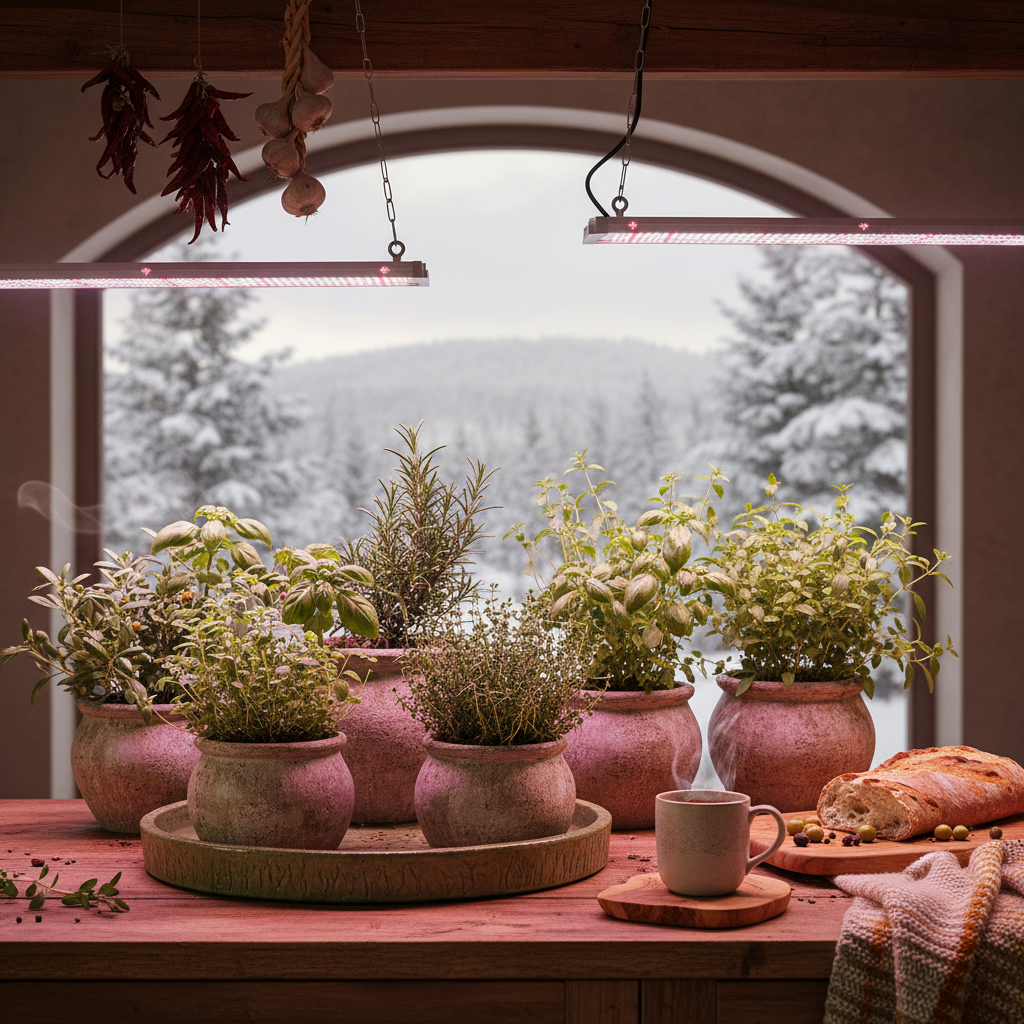
How to Grow Indoor Herbs in Winter: Keep Your Kitchen Garden Alive All Season
Learn how to successfully grow indoor herbs in winter with our expert tips on light, air, watering, and the best herbs to thrive all season.
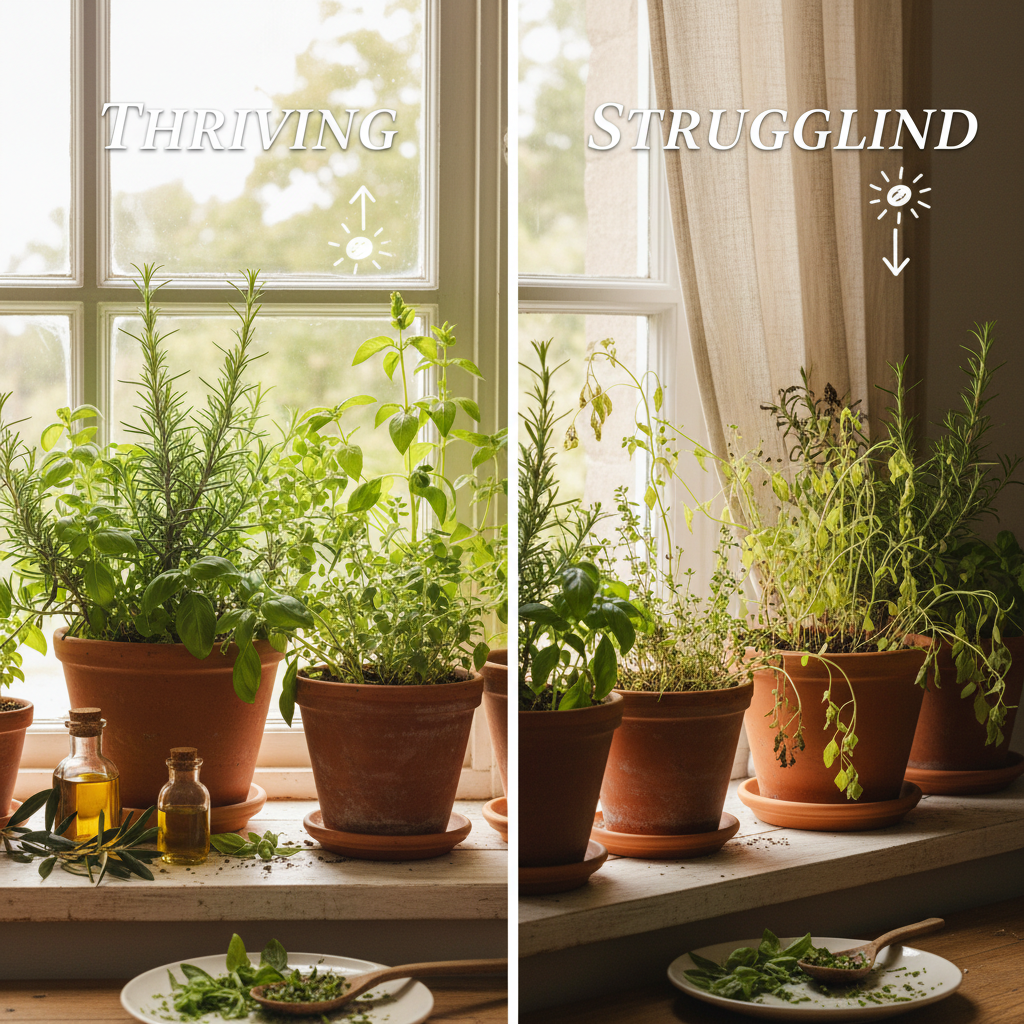
Will Herbs Grow Indoors? The Honest Truth (Plus 8 That Thrive)
Yes, herbs can grow indoors! Discover the thriving herbs and how to achieve indoor gardening success.

15 Quick Mediterranean Recipes Ready in 30 Minutes or Less
Discover 15 amazing Mediterranean recipes that can be made in 30 minutes or less. Perfect for busy weeknights!